
How To Introduce New Goats To Your Herd

Bringing home a new goat is exciting until the moment you realise your calm, friendly herd might not feel the same way. What looks like a simple introduction can quickly turn into chasing, head-butting, and tension that leaves you wondering if you’ve made a mistake.
The truth is, introducing new goats to a herd isn’t just about putting them together and hoping for the best. Goats have a social structure, a hierarchy, and a strong sense of territory. If you understand how that works, the process becomes far smoother and much less stressful for both you and your animals.
In this guide, we’ll walk through exactly how to introduce new goats to your herd safely, while helping you avoid common mistakes and create a smoother bonding process.
Understanding Goat Herd Behavior And Social Hierarchy
Before you even begin the goat herd introduction process, it’s important to understand how goats interact with one another.
Goats naturally form a social hierarchy, often referred to as a “pecking order.” Each goat has a place within the group, and that structure helps maintain balance. When a new goat enters the herd, that balance is disrupted, and the group instinctively works to re-establish order.
This is why you may see pushing, head-butting, or chasing in the early stages. While it can look aggressive, this behaviour is often normal. Understanding goat herd behaviour helps you recognise the difference between natural adjustment and true aggression that needs intervention.

Step 1: Quarantine New Goats First
One of the most important steps in adding goats to a herd is quarantine, and it’s often the one people are most tempted to skip, but it really shouldn’t be overlooked.
When a new goat arrives, you don’t always know its full health status, even if it appears perfectly fine. Some illnesses and parasites don’t show immediate symptoms, and introducing a sick goat too soon can quickly affect your entire herd. Keeping the new goat separated for a period, usually a couple of weeks, gives you time to observe its behaviour, appetite, and overall condition closely.
During this time, you can also check for signs of parasites, monitor droppings, and ensure the goat is eating and adjusting well. Beyond health, quarantine also gives the goat a chance to settle into its new surroundings. A new environment can be stressful, and allowing the goat to adjust quietly without social pressure helps it feel more secure.
This step may feel slow, but it lays the groundwork for a much smoother and safer goat herd introduction later on.
Step 2: Start with a Controlled, Separate Introduction
Once quarantine is complete, it’s important not to rush straight into full contact. A gradual approach makes a big difference in how smoothly the goats adjust to each other.
Start by placing the new goat in a pen or enclosure that is close to your existing herd. This setup allows them to see, smell, and observe one another without physical interaction. Goats rely heavily on scent and familiarity, so this stage helps reduce the “stranger” factor before they ever meet face-to-face.
During this period, you may notice increased curiosity. Goats might approach the fence, sniff, or even display mild dominance behaviour like pawing or posturing. This is all part of the natural goat bonding process. They’re essentially gathering information and beginning to recognise each other.
Giving them this time to adjust from a distance helps lower tension and makes the eventual introduction far less intense.
Step 3: Choose the Right Time and Space
When it comes to introducing new goats, the environment you choose can influence the entire outcome.
A neutral space is always the best option. This means an area that doesn’t strongly belong to your existing herd, where no single goat feels the need to defend its territory. When goats are introduced in a familiar, “owned” space, dominant goats are more likely to act aggressively to protect it.
Space also plays a major role. Goats need enough room to move freely, approach each other, and just as importantly, walk away. If the space is too tight, goats can feel trapped, which increases stress and can escalate conflicts quickly.
Choosing a calm time of day also helps. Avoid introductions during feeding times or moments of high activity, as goats are more likely to compete and react strongly. A relaxed environment gives you the best chance at a smoother goat herd introduction.

Step 4: Supervise the First Full Interaction
The first full meeting is often the most intense part of the process, which is why close supervision is essential.
When you finally allow the goats to interact directly, expect some level of physical behaviour. Pushing, light head-butting, and short chases are normal as goats begin to establish their social order. This is how they communicate and determine their place within the group.
Your role is not to stop all interaction but to observe and step in only when necessary. If one goat becomes overly aggressive, repeatedly targeting another, causing injury, or not allowing it to escape, you may need to intervene and separate them temporarily.
Being present during this stage helps ensure that mixing goats safely stays under control. It also allows you to quickly identify which goats are more dominant and which may need extra support during the transition.
Step 5: Expect Some Conflict, but Know the Limits
Understanding what’s normal and what’s not is key when introducing new goats to your herd.
Some level of conflict is completely expected. Goats need to establish their hierarchy, and this often involves brief confrontations. You may see head-butting, short bursts of chasing, or dominant goats asserting themselves. These interactions usually decrease over time as the goats settle into their roles.
However, there’s a clear line between normal adjustment and harmful behaviour. Continuous aggression, repeated bullying, or one goat being isolated and unable to access food or water are signs that the situation needs attention.
In these cases, it’s best to step back and slow the process down. Separating the goats and reintroducing them gradually can help reset the interaction and reduce tension. Recognising these limits allows you to manage the process confidently without overreacting or ignoring real issues.
Step 6: Provide Multiple Feeding and Resting Areas
Resource competition is one of the biggest causes of tension during a goat herd introduction, and it’s something you can easily manage with a bit of planning.
Goats naturally compete for food, space, and comfort. Dominant goats may try to control feeding areas or preferred resting spots, which can leave new or lower-ranking goats struggling to access what they need.
By providing multiple feeding stations, you reduce the likelihood that one goat will control all the food. Spreading out hay, grain, or feeders allows each goat to eat without constant pressure. The same applies to resting areas, having several comfortable spots gives goats options and reduces crowding.
This approach not only prevents conflict but also helps new goats feel more secure. When they don’t have to fight for basic needs, they can settle in more quickly and become part of the group with less stress.

Step 7: Be Patient, The Bonding Process Takes Time
Perhaps the most important and often underestimated part of introducing new goats is patience. Goats don’t instantly accept new members. Building familiarity and trust takes time, and every herd adjusts at its own pace. In the first few days, interactions may seem tense or unpredictable, but this gradually changes as the goats become more comfortable with each other.
Over time, you’ll notice subtle improvements. The chasing decreases, the distance between goats shortens, and eventually, they begin to graze or rest near one another. These are signs that the herd is starting to stabilise.
It’s important not to rush this process or make constant changes. Frequent interruptions can confuse the goats and delay bonding. Instead, allow them the time they need while continuing to observe and support when necessary.
With consistency and patience, the herd will find its balance, and once it does, the entire group becomes calmer, cooperative, and settled.
Introducing Baby Goats vs Adult Goats
The way you approach a goat introduction process can change quite a bit depending on whether you’re introducing baby goats or fully grown adults, and understanding this difference can save you a lot of stress.
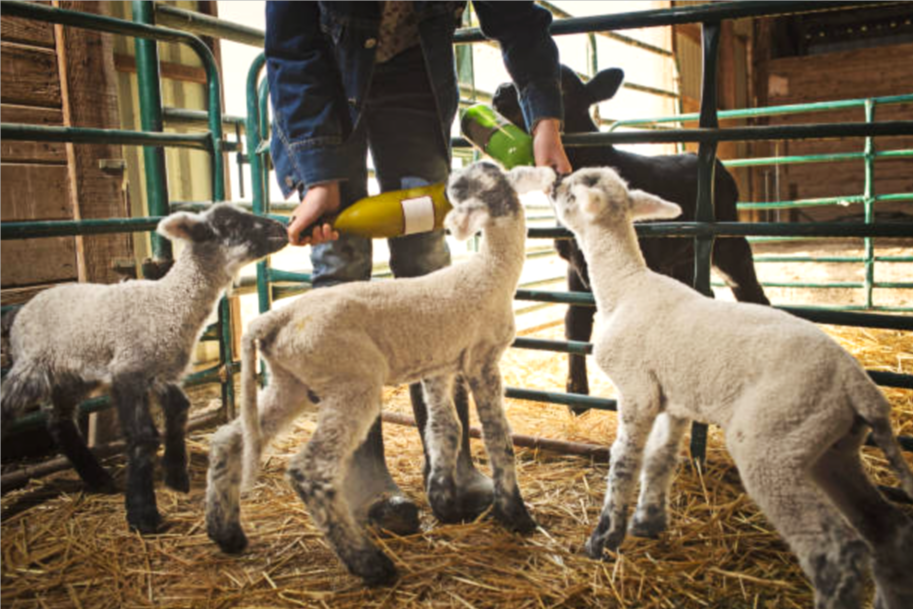
Baby goats are generally easier to integrate into a herd. Because they are smaller and less threatening, older goats don’t usually see them as competition. Instead of immediate dominance battles, the interaction is often more about curiosity. Adult goats may still nudge or lightly discipline the kids, but this behaviour is typically mild and more about setting boundaries than establishing hierarchy. Even so, it’s still important to supervise these early interactions, as very young or fragile kids can be overwhelmed if things become too rough.
Adult goats, on the other hand, tend to approach introductions very differently. Since they already have established behaviours and confidence, they are more likely to challenge one another directly. This is where you’ll see clearer displays of goat social hierarchy, head-butting, pushing, and short chases as they figure out their place within the group. These interactions can look intense, but they are often a normal part of herd adjustment.
Because of this, introducing adult goats usually requires a slower, more controlled approach. Giving them time to become familiar with fencing, ensuring enough space, and closely monitoring their first interactions becomes even more important.
In both cases, the goal remains the same: helping the goats adjust safely, but recognising how age influences behaviour allows you to manage expectations and respond appropriately as the herd settles.
Signs Your Goats Are Adjusting Well
As time passes, you’ll begin to notice clear signs that the goat herd introduction is going smoothly. Here’s what to look for:
Grazing together peacefullyWhen goats start eating side by side without tension, it’s a strong sign they’re becoming comfortable with each other and no longer feel the need to compete constantly.
Resting near one anotherGoats choosing to lie down or relax close to each other show growing trust and acceptance within the herd.
Reduced dominance behaviorLess head-butting, chasing, or pushing indicates that the social hierarchy is settling and no longer needs constant reinforcement.
Calmer, more predictable interactionsAs tension fades, goats begin to move around each other more naturally without sudden aggression or avoidance.
Increased group movement and bondingYou may notice the herd starting to move, explore, or respond as a group rather than as separate individuals.
Recognising these signs helps confirm that your efforts in introducing new goats to your herd safely are working and that the herd is gradually finding its balance.
Common Mistakes To Avoid
Even with the best intentions, a few common mistakes can make the process more difficult.
Introducing goats too quickly is one of the biggest issues.
Skipping quarantine or controlled introductions can lead to stress and conflict.
Not providing enough space or resources can increase competition and aggression.
Understanding these pitfalls helps you create a smoother and more successful transition.

Overall
Learning how to introduce new goats to your herd isn’t about avoiding conflict, it’s about managing it in a way that keeps your goats safe and reduces stress. By understanding goat herd behaviour, taking a gradual approach, and staying patient throughout the process, you can create a stable, balanced herd where every goat finds its place.
With the right approach, what starts as a tense introduction can turn into a strong, harmonious group, and that’s when your herd truly begins to thrive.


Comments