
Technology And Tools That Improve Sheep Farming Efficiency

Sheep farming has come a long way from the days of purely manual labour and guesswork. Today, a growing number of farmers are turning to sheep farming technology to make their operations smarter, faster, and far more efficient. And the truth is, those who embrace these tools are not just saving time, they’re building stronger, more productive, and more profitable farms.
Imagine being able to track your flock in real time, detect illness before it becomes a problem, or automate feeding without constant supervision. That’s the power of smart sheep farming. Whether you’re managing a small flock or a large commercial operation, modern tools and systems are transforming the way sheep farmers work.
In this guide, we’ll explore the most effective sheep farming tools and technologies that are helping farmers reduce labour, improve animal health, and boost overall productivity.
Precision Livestock Farming
One of the biggest advancements in modern agriculture is precision livestock farming. This approach uses data and technology to monitor animals closely and make better, more informed decisions.
With tools like sensors and digital tracking systems, farmers can monitor feeding patterns, movement, and health indicators in real time. This allows for early detection of issues such as illness, poor nutrition, or stress long before they become visible problems.
By using livestock technology for sheep, farmers can shift from reactive management to proactive care. Instead of waiting for a sheep to show symptoms, they can act early, improving both animal welfare and farm efficiency.
Sheep Monitoring Systems and Wearable Sensors
Modern sheep monitoring systems are changing how farmers keep track of their flocks. Wearable devices, such as collars or ear tags, can collect data on movement, grazing habits, and even body temperature.
These wearable sensors for sheep help farmers detect unusual behaviour that may indicate sickness, injury, or lambing. For example, a sudden drop in activity might signal a health issue that needs attention.
This type of smart livestock monitoring reduces the need for constant manual checks while improving accuracy. Farmers can spend less time guessing and more time acting on reliable data.

GPS Tracking and Sheep Tracking Technology
Keeping track of sheep, especially in large grazing areas, can be challenging. That’s where GPS tracking for sheep becomes incredibly valuable.
With sheep tracking technology, farmers can monitor the location of their flock in real time. This is particularly useful for preventing theft, managing grazing patterns, and ensuring animals stay within safe boundaries.
Some systems even send alerts if sheep move outside designated areas, giving farmers peace of mind and reducing the need for constant supervision. This is one of the most practical tools to increase sheep farm productivity, especially for farms with large or remote pastures.
Automated Feeding Systems for Sheep
Feeding is one of the most time-consuming tasks in sheep farming. However, automated feeding systems for sheep are helping farmers streamline this process.
These systems can be programmed to deliver the right amount of feed at specific times, ensuring consistency and reducing waste. Proper feeding schedules are essential for maintaining animal health and improving growth rates.
By using sheep farm automation, farmers can save time, reduce labour costs, and ensure that every animal receives the nutrition it needs. Automated feeding also helps eliminate human error, leading to more efficient sheep farm management tools.
Farm Management Software and Digital Tools
Managing a sheep farm involves tracking multiple aspects like health records, breeding cycles, feeding schedules, and more. This is where sheep farm management software becomes a game-changer.
These digital tools for sheep farming allow farmers to store and analyse data in one place. From tracking vaccinations to monitoring growth rates, everything becomes more organised and accessible.
Using farm data management systems, farmers can identify trends, improve decision-making, and plan more effectively. Over time, this leads to better productivity and a more efficient operation overall.

Electric Fencing and Smart Grazing Management
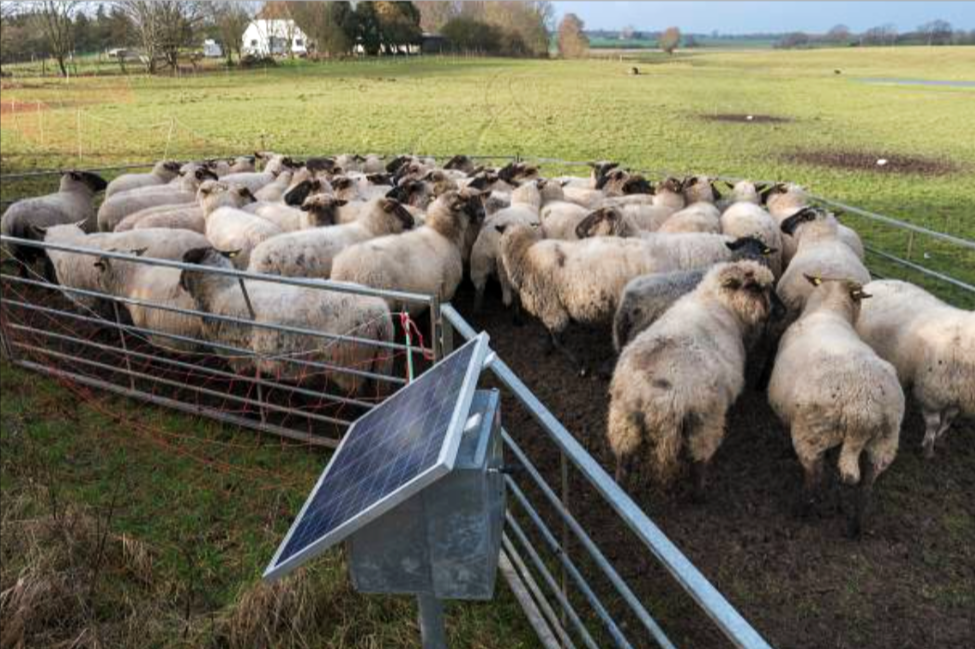
Traditional fencing has its limitations, but electric fencing for sheep offers a more flexible and efficient solution. It helps control grazing areas, protect sheep from predators, and manage pasture use more effectively.
With better grazing control, farmers can implement rotational grazing systems that improve pasture quality and reduce parasite buildup. This not only benefits the sheep but also supports long-term land health.
As part of modern sheep farming techniques, electric fencing plays a key role in improving both efficiency and sustainability.
Automated Water Systems and Housing Solutions
Providing clean, consistent water is essential for sheep's health. Automated water systems for sheep ensure that animals always have access to fresh water without the need for constant refilling.
These systems reduce labour while improving hygiene and reliability. Similarly, modern sheep housing systems are designed to enhance ventilation, cleanliness, and comfort.
Better housing reduces stress, lowers the risk of disease, and improves overall productivity. When combined with other sheep farming equipment, these systems create a more efficient and manageable farm environment.
Livestock Handling Equipment and Shearing Tools
Handling sheep can be physically demanding, but the right livestock handling equipment makes the process safer and more efficient.
Tools such as handling races, sorting gates, and weighing systems allow farmers to manage their flock with less stress on both the animals and themselves. Accurate sheep weighing systems also help monitor growth and adjust feeding programs accordingly.
Modern sheep shearing equipment has also improved significantly, allowing for faster and more precise shearing. This not only saves time but also improves wool quality and animal comfort.
The Future Of Sheep Farming
As technology continues to evolve, the future of sheep farming looks more promising than ever. Innovations in sheep farming, remote monitoring, and automation are making it easier for farmers to manage their flocks efficiently.
These advancements are not just about convenience, they are about building sustainable sheep farming technology that supports long-term success. By reducing waste, improving animal health, and optimising resources, farmers can create more resilient and environmentally friendly operations.
The integration of smart farming solutions for sheep is helping farmers adapt to changing conditions while staying competitive in a modern agricultural landscape.
Cost vs. Benefit Of Sheep Farming Technology
Investing in sheep farming technology can feel like a big step, especially for small or growing farms. The upfront costs of tools like sheep monitoring systems, automated feeders, or farm management software may seem high at first. However, when you look at the bigger picture, these tools often pay for themselves over time.
One of the biggest benefits is reduced labour. Tasks that once required hours, like feeding, tracking, or monitoring sheep, can now be automated or simplified. This allows farmers to either manage larger flocks or focus on more important aspects of the business. In addition, improved accuracy in feeding and health monitoring leads to better sheep health management, which reduces losses from disease and poor growth.
Technology also improves productivity. With tools like GPS tracking for sheep and data-driven systems, farmers can make better decisions about grazing, breeding, and nutrition. This results in healthier animals, faster growth rates, and higher overall output.
While the initial investment may seem expensive, the long-term savings in labour, improved efficiency, and increased profitability make modern sheep farming techniques a smart and worthwhile investment.
Common Challenges When Adopting Sheep Farming Technology And How to Overcome Them
Adopting new technology can come with a few hurdles. However, understanding these challenges and knowing how to handle them can make the transition much smoother.
High Initial Costs
One of the most common concerns is the upfront cost of purchasing sheep farming tools such as sensors, automated systems, or software.
How to Overcome
ItFarmers don’t need to invest in everything at once. Start small by adopting one or two essential tools, such as electric fencing for sheep or basic tracking systems. Over time, as the benefits become clear, you can gradually expand your technology. Looking for government programs, grants, or cooperative funding options can also help reduce financial pressure.
Lack of Technical Knowledge
Many farmers worry about not having the skills needed to operate modern digital tools for sheep farming or software systems.
How to Overcome
ItMost modern tools are designed to be user-friendly. Farmers can start by choosing simple systems with clear instructions and support. Online tutorials, training programs, and even local agricultural extension services can help build confidence. Learning gradually and practising regularly makes technology much less intimidating.
Maintenance and Reliability Issues
Like any equipment, sheep farm automation tools can sometimes break down or require maintenance, which can disrupt daily operations.
How to Overcome
ItChoosing high-quality, reliable equipment from trusted suppliers is key. Regular maintenance checks and proper handling can prevent many issues. It’s also helpful to have a backup plan in place, for example, manual feeding options in case of system failure.
Limited Internet or Connectivity in Rural Areas
Some smart sheep farming tools rely on internet access, which can be unreliable in remote farming areas.
How to Overcome
ItFarmers can choose tools that work offline or use local data storage. Some systems are designed specifically for rural environments and require minimal connectivity. Investing in signal boosters or basic network improvements can also make a significant difference.
Resistance to Change
Adapting to new ways of working can be difficult, especially for farmers who are used to traditional methods.
How to Overcome
ItStart by integrating technology slowly alongside existing practices rather than replacing everything at once. Seeing real results like improved efficiency or healthier sheep often builds confidence. Talking to other farmers who have successfully adopted livestock technology for sheep can also provide motivation and practical insights.
Data Overload and Management
With farm data management systems, farmers may feel overwhelmed by the amount of information available.
How to Overcome ItFocus only on the most important data points, such as health alerts, feeding patterns, or growth rates. Many systems allow customisation, so farmers can simplify dashboards and reports. Over time, learning how to interpret this data becomes a valuable skill that improves decision-making.

Moving Forward
Embracing sheep farming technology is no longer optional, it’s becoming essential for farmers who want to stay efficient, productive, and competitive. From sheep monitoring systems and GPS tracking to automated feeding and digital management tools, the opportunities to improve efficiency are greater than ever.
By investing in the right sheep farming tools, farmers can reduce labour, improve animal welfare, and increase profitability. The key is to start with the tools that best fit your farm’s needs and gradually build a system that works for you.
In the end, modern sheep farming techniques are not about replacing the farmer, they’re about empowering them to do more, with less effort, and better results.


Comments