
Choosing The Right Goat For Your Homestead: A Buying Guide

If you’ve ever dreamed of a self-sufficient lifestyle, you’ve probably pictured goats grazing in a sunny pasture, providing fresh milk, clearing brush, or adding lively personality to your homestead. But here’s the thing, not all goats are the same.
Choosing the right goat for your homestead isn’t just about picking the cutest one at the farm, it’s about selecting a breed and individual animal that fits your goals, your land, and your lifestyle.
Whether you’re looking for dairy goats, meat producers, brush clearers, or friendly companions, making the right choice from the start can set your homestead up for long-term success.
Why Do You Want Goats? Defining Your Purpose
Before diving into goat breeds and prices, it’s crucial to ask yourself, Why do I want goats? Your answer will guide every decision you make afterwards.
Milk Production - If your primary goal is fresh, nutritious milk for your family or to make cheese, yoghurt, and other dairy products, dairy goat breeds like LaMancha, Nubian, or Nigerian Dwarf goats are excellent choices. They are known for their high butterfat content and steady milk yield, making them ideal for small-scale homesteads.
Meat Production - If your focus is meat, breeds like Boer goats are specifically developed for this purpose. They grow quickly, have excellent muscling, and are hardy animals, making them a top pick for meat production.
Fibre Production - Some homesteaders keep goats for their luxurious fibre. Breeds such as Angora and Cashmere goats produce soft, valuable fleece that can be spun into yarn or sold.
Land Management - Goats are incredible natural landscapers. If you need help clearing weeds, brush, or invasive species, goats can do the job efficiently. In this case, mixed breeds or hardy brush goats are often the best fit.
Companionship and Pets - Some people keep goats simply for their playful personalities and companionship. Nigerian Dwarf goats are especially popular as family-friendly pets due to their small size and affectionate nature.
Clearly defining your purpose will help narrow down the best goat breeds for your homestead, saving you time, money, and potential challenges down the road.

Selecting The Ideal Goat Breed For Your Needs
Once you’ve clearly defined why you want goats, the next important step is selecting the right goat breed that suits both your goals and your homestead’s unique environment. This decision lays the foundation for a healthy, productive, and manageable herd.
Consider Your Climate and Terrain
Different goat breeds perform better in specific environments. If your homestead experiences hot, dry weather, heat-tolerant breeds like Boer goats often thrive with minimal stress. On the other hand, if your region is cold, wet, or variable, it’s best to choose hardy breeds with strong immune systems and adaptable coats, such as LaMancha goats. Matching the breed to your local conditions will reduce health issues and make herd management easier.
Think About Herd Size and Space
Goats are herd animals by nature and should never be kept alone. Even if your goal is to have just one dairy goat, plan for at least two to ensure proper companionship and herd dynamics. If you’re working with limited pasture or barn space, smaller breeds like Nigerian Dwarfs are ideal, they’re compact, productive, and easier to manage in tight areas. Larger dairy breeds or meat goats will require more grazing land and shelter.
Evaluate Temperament and Manageability
Temperament can significantly affect your daily routine and overall experience with goat ownership. Some breeds, such as Nubians, are known for their friendly and vocal personalities, making them a good match for families who enjoy interaction. Others, like Alpines, tend to be more independent and assertive. Choosing a breed with a temperament that fits your lifestyle ensures a smoother, more enjoyable relationship with your herd.
Align Breed Characteristics with Production Goals
Your intended purpose, whether it’s milk production, meat, fibre, or even companionship, should guide your breed choice. If rich, high-butterfat milk for cheesemaking is your goal, Nigerian Dwarf or LaMancha goats are excellent choices. For meat production, Boer goats offer impressive growth rates and hardiness. If fibre is your focus, Angora or Cashmere goats may be more suitable. Carefully comparing milk yields, butterfat content, growth rates, and fibre quality will help you make a practical, long-term decision.
How To Choose The Right Individual Goat
Once you’ve chosen the breed, selecting a healthy, well-bred individual goat is equally important.
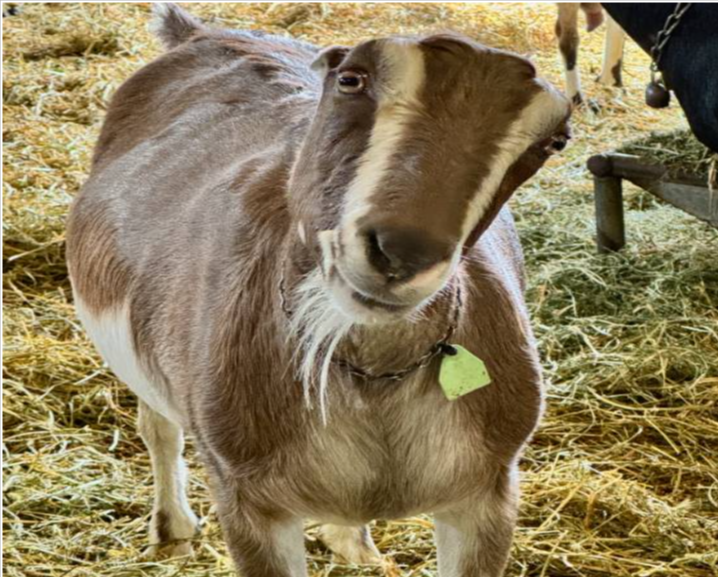
Health Check - Look for bright eyes, a shiny coat, no nasal discharge, good body condition, and healthy hooves. Avoid goats with signs of illness, swelling, or limping.
Ask About Herd Testing - Reputable breeders should provide herd testing records for diseases like CAE, CL, and Johne’s disease. This is crucial for keeping your future herd healthy and avoiding long-term health issues.
Observe Behaviour - A friendly, curious, and alert goat is usually well-socialised. Avoid overly aggressive or fearful goats unless you have experience rehabilitating them.
Consider Age and Purpose - Kids (baby goats) are great if you want to raise them yourself, but mature does are ideal if you want milk production right away. Bucks are typically for breeding purposes and can be challenging for beginners.
Other Factors To Consider Before Buying
Choosing the right goat breed is just one part of the process. Several practical factors can influence the success of your homestead and the overall health and happiness of your herd. Taking the time to think through these details will help you avoid costly mistakes and set your operation up for long-term success.
Space and Housing RequirementsBefore bringing goats home, assess the space you have available. Goats need secure, well-built fencing to keep them in and predators out, especially breeds that are known for being curious and agile. Shelter is equally important.
A sturdy, weatherproof structure will protect your goats from wind, rain, and extreme temperatures. Smaller breeds like Nigerian Dwarfs can thrive in compact spaces, but larger meat or dairy breeds will need more room to graze, exercise, and socialise.
Feeding and Nutritional NeedsGoats require a balanced diet to stay healthy and productive. Access to high-quality hay, fresh pasture, clean water, and mineral supplements is essential. Some breeds, particularly those bred for high milk production, have greater nutritional demands and may need additional feed to maintain body condition.
Planning for feed sources and proper storage will ensure your herd’s needs are met year-round.
Breeding and Milking PlansIf your goal includes breeding or milking dairy goats, consider whether you’re ready for the responsibilities that come with it. Breeding involves understanding kidding seasons, providing proper care for does and kids, and managing herd growth.
Milking requires a consistent routine, often twice a day, which can be time-consuming but rewarding. Make sure your lifestyle and schedule can accommodate these tasks before you commit.
Budget and Time CommitmentOwning goats involves ongoing costs and daily care. Beyond the initial purchase, factor in expenses for veterinary care, vaccinations, deworming, feed, shelter maintenance, and fencing repairs.
Goats also need your time, regular health checks, feeding, cleaning, and interaction, all of which play a role in maintaining a healthy, well-managed herd. Being realistic about your budget and time will help prevent stress for both you and your goats.
Benefits Of Choosing The Right Goat Breed
Selecting the right goat from the beginning sets you up for a more sustainable and rewarding homesteading journey. The right goat will:
Thrive in your environment
Meet your production goals
Require less medical intervention
Integrate smoothly into your daily routine
Provide long-term benefits, whether through milk, meat, fibre, or companionship

Final Word
Choosing the right goat for your homestead is more than just a purchase, it’s a long-term investment in your lifestyle, productivity, and sustainability. By understanding your goals, researching goat breeds for homesteads, evaluating health and temperament, and planning your setup carefully, you can build a thriving goat herd that enriches your life for years to come.
If you’re ready to explore dairy goat breeds like LaMancha and Nigerian Dwarf goats, or learn more about sustainable herd management, visit Hickory Leaf Dairy Goats for trusted information and healthy, well-bred goats.


Comments