
Common Problems During Goat Kidding And Solutions

There’s a quiet tension that comes with goat kidding season. One moment, everything seems perfectly natural, the doe nesting, shifting, preparing. Next, something feels off. For many farmers, especially beginners, this is where uncertainty creeps in. Is this normal? Should I step in? Or should I wait?
The truth is, while many goats give birth without any issues, common problems during goat kidding do happen and being prepared can make all the difference. Knowing how to recognize early warning signs and respond with the right action can save both the doe and her kids. In this guide, we’ll walk through the most frequent goat kidding problems and solutions, helping you approach kidding season with confidence instead of worry.
Understanding The Normal Goat Birthing Process
Before diving into anything more complex, it’s important to understand what a normal goat birthing process looks like. Kidding typically happens in three main stages: early labor, active labor, and the delivery of the placenta. Each stage has its own signs, and recognizing them helps you stay calm and prepared as the process unfolds.
During early labor, the doe may become restless, separate herself from the herd, paw at the ground, or show signs of discomfort. This stage can last several hours and is the body’s way of preparing for delivery. As labor progresses into the active stage, contractions become stronger and more frequent, and this is when the actual delivery begins.
In a normal birth, the goat's kid is usually presented with both front feet first, followed by the head resting neatly on top. Once active labor is underway, delivery often happens relatively quickly, sometimes within minutes. After the kids are born, the final stage involves passing the placenta, completing the kidding process.
Understanding this natural flow gives you a clear baseline of what to expect. It helps you stay observant without unnecessary worry and allows you to confidently recognize when the process is progressing as it should.

Here are some common problems that can occur during kidding, along with their solutions.
Difficult Labor (Dystocia) in Goats
Difficult labor, also known as dystocia, is one of the most serious goat birthing complications a farmer may face. It usually occurs when the kid is too large, poorly positioned, or when the doe is too weak to push effectively. You might notice the doe straining for a long time without making progress, appearing exhausted, or repeatedly lying down and getting up without delivering.
SolutionThe first step is to assess the situation calmly. If the kid is within reach but not positioned correctly, gentle assistance may be needed to guide it into a normal position. Always ensure your hands are clean and well-lubricated to avoid causing injury.
Work slowly and carefully, as rushing can harm both the doe and the kid. If there is no progress after a reasonable amount of time, or if you’re unsure what to do, it’s best to contact a veterinarian immediately. Quick, informed action is key when handling goat labor complications.
Breech Birth (Incorrect Kid Position)
A breech birth is a type of malpresentation where the kid is not aligned properly for delivery. Instead of the normal front-feet-first position, the kid may come backwards, sideways, or with legs tucked underneath. This makes delivery more difficult and can prevent the kid from passing through the birth canal smoothly.
SolutionHandling a breech birth requires patience and care. The goal is to gently reposition the kid into a normal delivery position, which may involve pushing it slightly back and adjusting the legs or head. This should always be done slowly and with proper lubrication to avoid injury. If you’re inexperienced or the situation feels complicated, it’s safer to seek professional help. Recognizing early signs your goat needs help during kidding can prevent the situation from becoming critical.
Retained Placenta in Goats
After kidding, the placenta should pass naturally as the final stage of the birthing process. When it doesn’t, it becomes a case of retained placenta in goats, which can increase the risk of infection if left untreated. While it may not seem urgent at first, it requires close attention.
SolutionThe most important thing to remember is not to pull the placenta, as this can cause internal damage and lead to further complications. Instead, allow the doe’s body time to expel it naturally while ensuring she stays hydrated and well-fed.
Keep her environment clean to reduce the risk of infection. If the placenta remains for too long or if the doe shows signs of discomfort, fever, or unusual discharge, veterinary care should be sought promptly.
Weak or Non-Responsive Newborn Kids
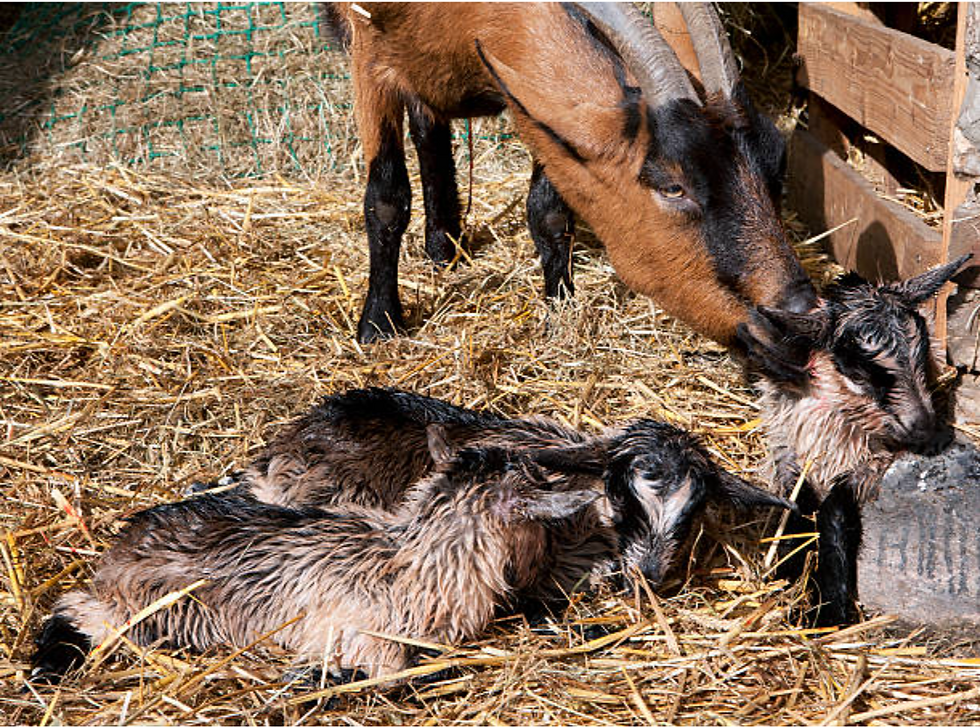
Some kids are born weak, slow to move, or unable to stand and nurse on their own. This condition, often referred to as weak kid syndrome in goats, can be caused by difficult births, poor nutrition during pregnancy, or exposure to cold conditions.
SolutionImmediate attention is critical in these cases. Start by drying the kid thoroughly and placing it in a warm, draft-free environment to help regulate its body temperature. Ensuring the kid receives colostrum quickly is essential, as it provides the antibodies needed for immunity.
If the kid cannot nurse, you may need to assist with bottle feeding or use a feeding tube if necessary. Acting quickly can greatly improve the chances of survival and recovery.
Premature Birth in Goats
Premature births result in kids that are not fully developed and may struggle with basic functions like standing, nursing, or maintaining body heat. These kids are often smaller, weaker, and require more attention than full-term kids.
SolutionCaring for premature kids involves providing consistent warmth, careful monitoring, and assisted feeding. They may need help feeding more frequently and in smaller amounts to build strength gradually. Keeping them in a controlled, warm environment is essential for survival.
Long-term, ensuring proper nutrition before kidding goats and reducing stress during pregnancy can help lower the risk of premature births.
Doe Rejecting Her Kids
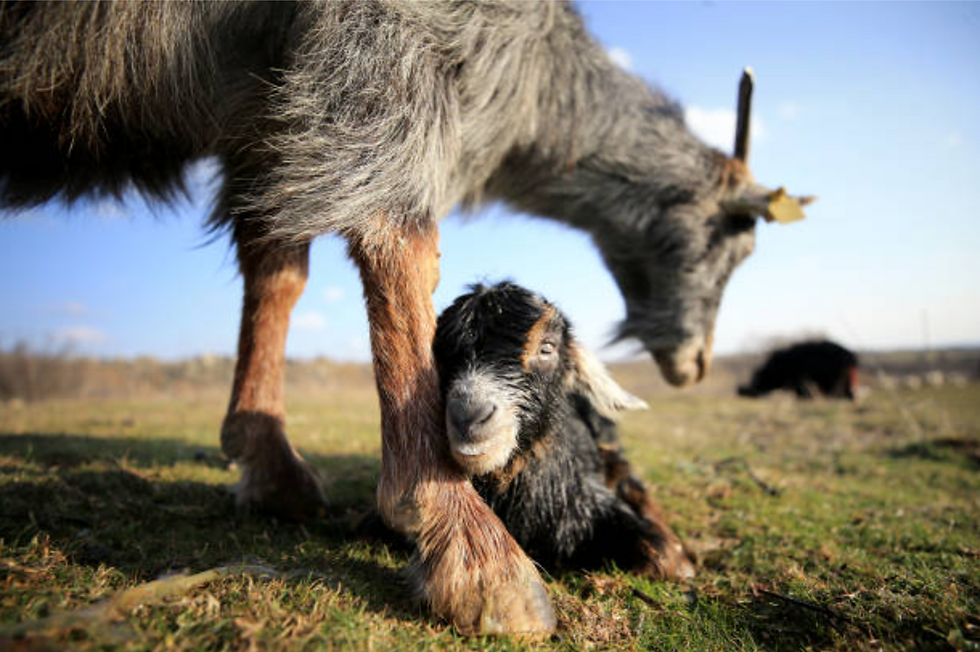
Occasionally, a doe may refuse to accept or care for her newborn kids. This can happen due to stress, first-time mothering, or complications during birth. Without the mother’s care, kids are at risk of missing out on essential feeding and warmth.
SolutionEncouraging bonding should be the first step. Keeping the doe and kids in a quiet, confined space can help strengthen their connection. You can also guide the kids to nurse and gently encourage the doe to accept them. If rejection continues, you’ll need to step in and provide care through bottle feeding goat kids.
Understanding different methods of raising goat kids becomes especially important in these situations to ensure the kids still receive proper nutrition and care.
Infections After Kidding
After birth, both the doe and her kids are vulnerable to infections, especially if hygiene is not maintained. Signs may include fever, unusual discharge, loss of appetite, or general weakness. These infections can develop quickly if not addressed.
SolutionPrevention starts with maintaining a clean kidding environment. Fresh bedding, clean hands during assistance, and proper sanitation all reduce the risk of infection. After kidding, monitor the doe and kids closely for any unusual signs. If symptoms appear, early treatment is essential to prevent complications.
Good hygiene and regular observation are key parts of effective goat kidding care and long-term herd health.
Preventing Goat Kidding Problems
While not all issues can be avoided, good preparation goes a long way in reducing risks.
Providing proper nutrition, especially in late pregnancy, supports both the doe and the developing kids. Creating a clean, comfortable kidding area helps minimize infections. Regular observation allows you to spot early warning signs before they become serious.
A well-planned goat kidding checklist and good goat reproduction management practices can significantly improve outcomes and increase your herd’s success.
Signs A Goat Is About To Go Into Labor
Recognizing the early signs your goat is about to kid can make a huge difference in how prepared and confident you feel during kidding. These signs often appear hours or even days before labor begins, giving you time to get everything ready.
Restlessness and Frequent MovementOne of the first signs you may notice is restlessness. The doe may walk around more than usual, lie down and get up repeatedly, or seem unable to settle. This behavior is her body preparing for labor and is a strong early indicator that kidding is near.
Isolation from the HerdA doe that is close to kidding will often separate herself from the rest of the herd. She may seek out a quiet corner or a sheltered space where she feels safe. This instinct helps her prepare for birth in a calm and secure environment.
Swollen Udder (Bagging Up)As kidding approaches, the udder becomes noticeably larger and firmer as it fills with milk. This process, often called “bagging up,” is one of the clearest physical signs that labor is getting close.
Loosening of Tail LigamentsThe ligaments around the tail head begin to soften and loosen shortly before labor. When you gently press on either side of the tail, you may notice they feel less firm than usual. This change allows the birth canal to expand for delivery.
Clear Vaginal DischargeA clear or slightly cloudy discharge is another common sign. This indicates that the cervix is beginning to open and the body is preparing for active labor. It’s a normal part of the goat birthing process and a sign that kidding is approaching.
Loss of AppetiteMany does lose interest in food shortly before labor begins. A goat that normally eats well but suddenly refuses feed may be getting very close to kidding. This is often accompanied by other behavioral changes.
Vocalization and Seeking AttentionSome goats become more vocal, bleating more than usual or seeking attention from their owner. Others may do the opposite and become very quiet. Either change in behavior can signal that labor is near.
Essential Goat Kidding Supplies Checklist
Being prepared with the right tools is one of the best goat kidding tips for beginners. Having everything ready ahead of time allows you to respond quickly and calmly if needed.
Clean Towels and Gloves
Clean towels are essential for drying newborns and keeping them warm. Disposable gloves help maintain hygiene when assisting during birth, reducing the risk of infection for both the doe and the kids.
Lubricant
A good-quality lubricant is important if you need to assist during delivery. It helps reduce friction and makes it safer and easier to handle the doe or reposition a kid if necessary.
Iodine for Navel Care
After birth, dipping the kid’s navel in iodine helps prevent infection. This simple step is a key part of proper newborn goat kid care and supports healthy early development.
Kid Puller or Snare (Optional)
In more difficult situations, a kid puller or snare can be used to assist with delivery. While not always needed, having one available can be helpful in emergencies, especially when dealing with goat labor complications.
Bottle and Colostrum Backup
Sometimes a kid may not nurse right away, or the doe may not produce enough colostrum. Having a bottle and stored colostrum or a replacer ensures the kid gets the essential nutrients needed for survival and immunity.
Clean Bucket and Warm Water
Warm water and a clean bucket are useful for cleaning the doe, washing your hands, or maintaining hygiene during the process. Cleanliness is a key part of successful goat kidding care.

To Conclude
Kidding season can be one of the most rewarding and sometimes challenging times on a goat farm. Understanding common problems during goat kidding and knowing how to respond can make all the difference between panic and confidence.
With the right preparation, awareness, and care, you can handle most goat kidding issues effectively and give both your does and kids the best possible start. In the end, it’s not about avoiding every problem, it’s about being ready when they arise and knowing exactly what to do.


Comments