
Common Sheep Diseases And How To Prevent Them
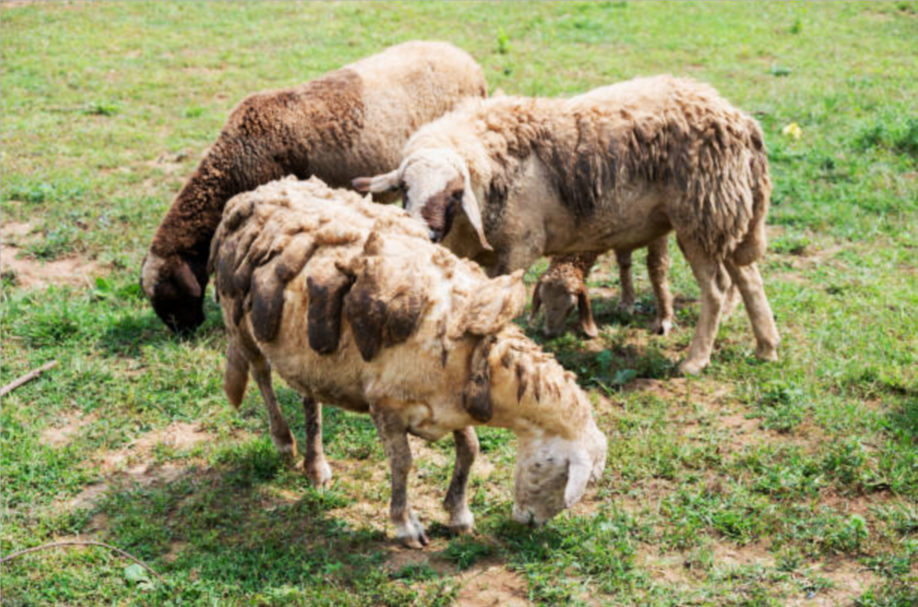
Healthy sheep don’t happen by accident, they’re the result of careful management, close observation, and proactive care. On any farm, even a small health issue can quickly turn into a bigger problem if it goes unnoticed. That’s why understanding common sheep diseases and knowing how to prevent them is one of the most important skills every farmer can develop.
Sheep are naturally hardy animals, but they are still vulnerable to a range of infections, parasites, and environmental health challenges. The good news is that with the right sheep health management practices, most of these issues can be prevented or controlled before they impact your flock. From recognising early signs of disease in sheep to implementing strong prevention strategies, a little knowledge goes a long way in keeping your animals healthy and productive.
In this guide, we’ll explore the most common sheep health problems, how to identify them early, and the best ways to protect your flock through effective sheep disease prevention.
Understanding The Importance Of Sheep Disease Prevention
Preventing disease is always more effective and less costly than treating it after it appears. A strong sheep disease control program helps reduce mortality, improve productivity, and maintain overall flock wellbeing.
When sheep become sick, their growth slows, reproduction rates drop, and wool or meat quality may decline. In severe cases, diseases can spread quickly through the flock, leading to significant losses. This is why experienced farmers focus heavily on sheep disease prevention rather than waiting for problems to arise.
Good prevention starts with proper nutrition, clean living conditions, regular health checks, and a consistent sheep vaccination schedule. By building a solid foundation, farmers can create an environment where disease struggles to take hold.

Common Sheep Diseases Every Farmer Should Know
Understanding these common sheep diseases in greater detail helps farmers take early action and apply effective sheep disease prevention strategies. Below is a more in-depth look at each condition, including causes, symptoms, and practical prevention methods.
Foot Rot in Sheep
Foot rot in sheep is a highly contagious bacterial infection that affects the hooves, often developing in wet, muddy, or poorly drained pastures. The bacteria thrive in moist environments, making this disease more common during rainy seasons. Once infection sets in, sheep may develop a foul smell from the hoof, swelling, and separation of the hoof tissue.
Affected sheep often show clear signs of lameness, reluctance to move, and reduced grazing, which can quickly lead to weight loss and decreased productivity. If left untreated, foot rot can spread rapidly throughout the flock, making it a serious sheep health problem.
Prevention
Preventing foot rot starts with good pasture management. Keeping grazing areas dry and well-drained significantly reduces the risk. Regular hoof trimming helps maintain hoof health and prevents bacteria from accumulating. Farmers should also isolate infected sheep immediately to stop the spread.
Footbaths with appropriate disinfectants can be used as part of a routine sheep health management plan to control and prevent outbreaks.

Internal Parasites in Sheep
Internal parasites, especially gastrointestinal worms, are among the most common and damaging sheep health problems. These parasites live inside the digestive system and feed on nutrients or blood, leading to poor growth, anaemia, and reduced productivity. Lambs are particularly vulnerable, but adult sheep can also suffer if parasite levels become too high.
Symptoms of parasite infestation include weight loss, diarrhoea, pale gums (a sign of anaemia), weakness, and poor wool quality. In severe cases, heavy infestations can lead to death, especially in young animals.
Prevention
Effective sheep parasite control requires a combination of strategies. Rotational grazing is one of the most important methods, as it breaks the parasite life cycle by moving sheep to clean pasture.
Regular monitoring, such as checking faecal egg counts, helps farmers determine when treatment is necessary. Strategic deworming should be used carefully to avoid resistance. Maintaining good nutrition also strengthens the sheep’s immune system, helping them naturally resist parasites.
Pneumonia in Sheep
Pneumonia in sheep is a serious respiratory disease that can affect sheep of all ages, though lambs are particularly at risk. It is often caused by a combination of stress, poor ventilation, overcrowding, and sudden weather changes. Cold, damp, or dusty conditions can also increase susceptibility.
Sheep with pneumonia may show symptoms such as coughing, nasal discharge, labored breathing, fever, and lethargy. Affected animals may separate themselves from the flock and show reduced appetite. If not treated promptly, pneumonia can lead to severe illness or death.
PreventionPreventing pneumonia involves maintaining a clean and well-ventilated environment. Shelters should allow for proper airflow while protecting sheep from harsh weather conditions. Avoiding overcrowding reduces stress and the spread of infection. Minimising sudden environmental changes, such as exposure to cold drafts, also helps. In some cases, vaccination may be included as part of a broader sheep vaccination schedule to reduce the risk of respiratory infections.

Mastitis in Sheep
Mastitis in sheep is an infection of the udder that primarily affects lactating ewes. It can be caused by bacteria entering the udder through small injuries or unsanitary conditions. Mastitis not only affects the health of the ewe but can also have serious consequences for lambs, as it reduces milk production.
Signs of mastitis include a swollen, hard, or painful udder, abnormal milk (such as clots or discolouration), and reluctance of the ewe to allow lambs to nurse. Lambs may appear weak or hungry if the milk supply is reduced.
Prevention
Preventing mastitis requires good hygiene and careful management, especially during lambing. Keeping lambing areas clean and dry reduces the risk of bacterial infection. Farmers should regularly check ewes for early signs of udder problems and ensure lambs are feeding properly.
Proper nutrition also supports immune health, helping ewes resist infection. Good sheep health care practices can significantly reduce the occurrence of mastitis in a flock.
Caseous Lymphadenitis (CL)
Caseous Lymphadenitis (CL) is a chronic bacterial disease that causes abscesses in the lymph nodes of sheep. These abscesses may appear externally, often around the neck or shoulders, or internally, affecting organs such as the lungs. CL spreads through contact with infected pus, contaminated equipment, or wounds.
Although some sheep may appear otherwise healthy, CL can reduce overall productivity and weaken the immune system. Because it spreads easily, it can become a persistent problem within a flock if not properly managed.
Prevention
Preventing CL focuses heavily on biosecurity and hygiene. Farmers should avoid introducing infected animals into the flock by quarantining new additions and checking for signs of disease. Equipment should be cleaned and disinfected regularly, especially when handling multiple animals. If abscesses are detected, affected sheep should be isolated immediately. In some cases, vaccination may be used as part of a sheep disease control program, depending on the farm’s situation.

By understanding these diseases in detail and applying strong sheep disease prevention strategies, farmers can protect their flocks from serious health challenges. Early detection, proper management, and consistent care are the keys to maintaining a healthy, productive sheep operation.
Recognising Early Signs Of Disease In Sheep
Early detection is one of the most effective tools in sheep disease prevention. Farmers who regularly observe their animals are more likely to spot problems before they become severe.
Common sheep illness symptoms include:
Loss of appetite
Weight loss or poor growth
Lameness or difficulty walking
Coughing or nasal discharge
Diarrhea
Unusual behaviour or isolation from the flock
By recognising these early warning signs, farmers can take action quickly and prevent diseases from spreading.
The Role Of Parasite Control In Sheep Health
Parasites are one of the biggest challenges in sheep farming best practices. Without proper control, they can significantly impact flock health and productivity.
Effective parasite control in sheep involves a combination of strategies rather than relying on a single solution. Rotational grazing helps break the parasite life cycle, while regular monitoring allows farmers to treat only when necessary. Overuse of dewormers can lead to resistance, so careful management is essential.
Maintaining strong nutrition also helps sheep build natural resistance to parasites, reducing the overall impact on the flock.

Biosecurity And Hygiene. Preventing Disease Before It Starts
Biosecurity is a critical but sometimes overlooked aspect of sheep flock health management. It involves taking steps to prevent diseases from entering or spreading within the farm.
Simple practices can make a big difference:
Quarantining new animals before introducing them to the flock
Cleaning and disinfecting equipment regularly
Limiting visitor access to animal areas
Maintaining clean feeding and watering systems
Good hygiene reduces the risk of infectious diseases in sheep and helps maintain a healthier environment for the animals.
The Importance Of Vaccination In Disease Prevention
Vaccination is one of the most powerful tools for sheep disease prevention. A proper sheep vaccination schedule helps protect against serious and often fatal diseases.
Vaccines work by building immunity, allowing sheep to fight infections before they cause illness. Common vaccines protect against clostridial diseases, tetanus, and other infections, depending on the region.
When combined with good nutrition and management, vaccination forms the backbone of a strong sheep health care guide. Farmers who follow consistent vaccination programs often experience fewer disease outbreaks and improved flock performance.
Pasture Management And Its Impact On Sheep Health
Pasture conditions play a major role in sheep health problems and solutions. Poor pasture management can increase the risk of parasites, infections, and nutritional deficiencies.
Rotational grazing is one of the most effective ways to maintain healthy pasture. It allows grass to recover while reducing parasite contamination. Keeping grazing areas clean and avoiding overcrowding also helps minimise disease risks.
Healthy pasture supports better nutrition, which in turn strengthens the immune system and helps sheep resist disease naturally.

Finally
Understanding common sheep diseases and how to prevent them is essential for any successful sheep farming operation. While diseases can pose serious challenges, most can be managed or even avoided entirely with the right approach.
By focusing on sheep disease prevention, maintaining strong sheep health management practices, and staying alert to early warning signs, farmers can protect their flocks and improve overall productivity. Healthy sheep grow better, reproduce more efficiently, and contribute to a more profitable and sustainable farm.
In the end, prevention isn’t just about avoiding problems, it’s about building a strong, resilient flock that thrives in any condition.


Comments