
Organic Sheep Farming. Is It Worth It
Updated: Mar 10

There’s something undeniably appealing about the idea of raising sheep the natural way, open pastures, healthy lambs, clean grazing systems, and meat produced without synthetic chemicals or routine antibiotics. As consumer demand for organic lamb production and sustainable livestock farming continues to grow, more farmers are asking the big question: Is organic sheep farming worth it?
It’s a fair question. Organic systems promise premium pricing, improved animal welfare, and environmental benefits. But they also come with higher costs, strict certification rules, and management challenges. In this in-depth guide, we’ll explore everything you need to know about organic sheep farming profitability, practices, costs, and real-world challenges so you can decide whether it’s the right move for your farm.
What Is Organic Sheep Farming
At its core, organic sheep farming is a system of raising sheep according to certified organic livestock standards. This means following strict guidelines for feed, pasture management, animal health, and overall farm practices.
Organic sheep must:
Be raised on certified organic pasture and feed
Consume organic sheep feed free from synthetic pesticides and GMOs
Have access to pasture during grazing seasons
Be raised without growth hormones
Avoid routine antibiotic use (only allowed in specific emergency cases under certification rules)
Organic sheep certification requires detailed record-keeping, inspections, and compliance with national organic farming standards. Farmers must prove their land has been free from prohibited chemicals for a set transition period, often three years.
In short, organic sheep farming isn’t just about “natural” practices, it’s a regulated production system designed to ensure transparency, sustainability, and consumer trust.

Organic Sheep Farming Practices
Organic sheep farming practices focus heavily on prevention rather than intervention. Instead of relying on medications and synthetic inputs, farmers build strong systems from the ground up.
Pasture-Based Management
Pasture-based sheep farming is the foundation of any successful organic sheep farm. In organic systems, sheep are expected to spend significant time grazing on certified organic pasture. Farmers typically use rotational grazing, where sheep are moved between paddocks to allow grass to rest and regrow.
This approach prevents overgrazing, reduces parasite buildup, and improves forage quality. Healthy pasture not only feeds the flock but also strengthens soil structure, increases organic matter, and supports biodiversity. Over time, well-managed rotational grazing improves pasture productivity and contributes to sustainable sheep farming. It’s not just about feeding sheep, it’s about building a resilient grazing ecosystem that benefits both animals and land.
Natural Parasite Control in Sheep
Parasite management is one of the biggest challenges in organic sheep farming. Because routine chemical dewormers are restricted, farmers must rely on proactive and natural parasite control strategies. Rotational grazing plays a major role by interrupting the parasite life cycle and reducing exposure.
Some farmers practice mixed-species grazing, such as rotating cattle with sheep, since different species do not share the same internal parasites. Selective breeding is another powerful tool, as sheep that show natural resistance to parasites are retained for breeding.
In addition, certain mineral supplements and plant-based treatments may be used to support immune health. Managing parasites organically requires careful observation, strong pasture planning, and regular fecal monitoring. It demands more attention, but when done correctly, it creates a healthier and more resilient flock over time.
Organic Feeding Systems
Feeding practices in organic sheep farming must meet strict certification standards. Organic sheep feed must be free from genetically modified organisms (GMOs), synthetic additives, and chemical residues. This includes both pasture and any supplemental grain or hay.
During times when pasture quality declines such as winter or drought, farmers may provide certified organic hay or grain to maintain proper nutrition. Organic mineral supplementation is also important to ensure sheep receive essential nutrients for growth, reproduction, and immune strength. While organic feed costs are typically higher than conventional options, quality control is stricter, and many farmers find that improved forage management reduces the need for heavy grain supplementation.
A carefully balanced organic feeding system supports steady growth, strong lamb development, and overall natural sheep health management without relying on artificial inputs.
Together, these practices form the backbone of organic sheep farming, a system rooted in prevention, balance, and thoughtful management rather than quick fixes.
Costs Of Organic Sheep Farming
Let’s be honest, organic sheep farming is not the cheapest route.
Certification Costs
Organic sheep certification involves:
Application fees
Annual inspection fees
Detailed record-keeping
The paperwork alone can be time-consuming.
Higher Feed Costs
Organic feed costs significantly more than conventional grain. For farmers who supplement pasture with grain, this can increase overall production costs substantially.
Labor & Management
Organic systems require:
More pasture monitoring
Close health observation
Detailed documentation
Labor requirements are often higher compared to conventional sheep farming.
Transition Period
If transitioning to organic sheep farming, there’s typically a multi-year conversion process where you follow organic rules but may not yet receive organic price premiums.
So yes, the cost of organic sheep farming is higher, especially in the beginning.

Profit Potential. Can You Make More Money
Now the big question: Is organic lamb more profitable? The answer depends largely on your market.
Premium Pricing for Organic Meat
Organic lamb often commands higher prices per pound compared to conventional lamb. Consumers seeking hormone-free meat production and antibiotic-free lamb production are often willing to pay more.
Organic Meat Market Trends
Demand for organic meat continues to grow, especially in urban and health-conscious markets. Restaurants, specialty butchers, and farmers’ markets frequently seek organic products.
Direct-to-Consumer Lamb Sales
Many organic sheep farms succeed through direct-to-consumer lamb sales, cutting out middlemen and capturing higher profit margins.
However, profitability depends on:
Your local organic lamb market demand
Feed and labor costs
Farm size and efficiency
Marketing strategy
In the right conditions, organic sheep farming profitability can exceed conventional systems, but it requires strong business planning.
Animal Health & Welfare In Organic Systems
One of the strongest arguments for organic livestock farming is improved animal welfare.
Natural Living Conditions
In organic sheep farming, animals are given regular access to pasture, where they can graze freely and behave naturally. This pasture-based sheep farming system allows sheep to move, forage, and interact in ways that align with their natural instincts. As a result, sheep often experience reduced stress levels, which can positively impact growth, reproduction, and immune strength.
Regular movement across the pasture also promotes better hoof health and stronger muscle development. When sheep are not confined for extended periods, overall flock condition typically improves. Fresh air, sunlight, and access to diverse forage all contribute to stronger, more resilient animals.
Limited Antibiotic Use
Organic standards strictly limit the routine use of antibiotics. This supports antibiotic-free lamb production, which is highly valued in today’s health-conscious market. However, this restriction means farmers must be proactive in preventing disease rather than relying on treatment as a first line of defence.
Good pasture management, proper nutrition, clean water sources, and low-stress handling become essential tools in maintaining flock health. Farmers must monitor their sheep closely and address small health concerns early before they become serious problems. Preventive care becomes the backbone of the system.
Welfare Considerations
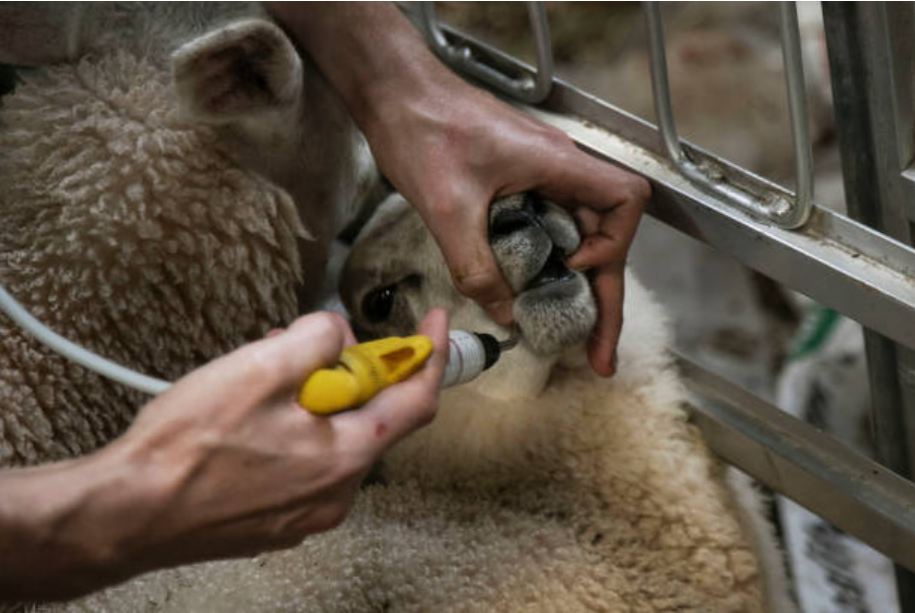
Balancing animal welfare with organic certification rules can sometimes be challenging. If a sheep becomes seriously ill, treatment must never be withheld simply to maintain organic status. In such cases, the animal may need to receive antibiotics or other necessary medications, even if it means losing organic certification for that individual.
Ethical organic farmers understand that animal health always comes first. Certification is important, but responsible flock management requires compassion and sound judgment. Ultimately, successful organic sheep farming depends on putting the wellbeing of the animals above the label.
Environmental Benefits Of Organic Sheep Farming
Organic sheep farming contributes significantly to sustainable livestock farming.
Improved Soil Health
Rotational grazing enhances soil structure, increases organic matter, and promotes biodiversity. This aligns closely with regenerative sheep farming principles.
Reduced Chemical Runoff
Without synthetic fertilizers or pesticides, organic pasture management reduces environmental contamination.
Biodiversity Support
Well-managed organic pasture encourages diverse plant species, insects, and wildlife habitats.
For farmers concerned about environmental impact, eco-friendly sheep farming offers meaningful long-term benefits.
Challenges And Drawbacks Of Going Organic
While the benefits are attractive, the challenges are real.
Parasite Pressure - Without routine chemical dewormers, parasite management becomes a constant priority.
Market Fluctuations - Premium pricing depends on consistent consumer demand. If the organic market softens, profit margins may shrink.
Paperwork & Compliance - Organic farming certification requires meticulous documentation. For some farmers, the administrative burden alone is discouraging.
Higher Production Risks - Limited treatment options can increase management pressure. Farmers must be highly attentive and skilled in prevention strategies.
Organic sheep farming pros and cons must be weighed carefully before making the transition.

Closing Remarks
The honest answer? It depends. If you have strong pasture access, good grazing management skills, and access to premium markets, organic sheep farming can be both profitable and deeply rewarding. The combination of premium pricing for organic meat, growing organic meat market trends, and consumer demand for sustainable sheep farming makes it a promising path.
However, it is not a shortcut to easy profits. The cost of organic sheep farming, certification requirements, and management challenges require dedication and careful planning. For farmers who value environmental stewardship, animal welfare, and niche marketing opportunities, organic sheep farming may absolutely be worth it.
For others focused solely on maximum production efficiency with minimal paperwork, conventional systems may be more practical. In the end, success in organic sheep farming


Comments