
Buying Or Making Your Own Feed

Feed decisions sit at the heart of every successful farm. Whether you’re raising goats, cattle, poultry, or mixed livestock, what you put in the feeder directly affects animal health, growth, production, and your bottom line. Yet many farmers find themselves asking the same question year after year: Is it better to buy commercial feed or make your own animal feed?
There’s no one-size-fits-all answer. Buying livestock feed offers convenience and consistency, while making your own feed promises cost savings and control, when done correctly. This guide breaks down the real advantages, challenges, and hidden considerations of both options so you can make the best feeding decision for your animals and your farm.
Understanding Your Animals’ Nutritional Needs First
Before comparing store-bought versus homemade feed, the most important step is understanding livestock nutrition basics. Every animal species, breed, age group, and production stage has different nutritional requirements for protein, energy, minerals, and vitamins.
For example, growing animals need higher protein levels, while lactating animals require extra energy and mineral support. Feeding the wrong balance whether commercial or homemade, can lead to poor growth, low milk production, fertility issues, and long-term health problems.
Successful animal feed management always starts with knowing what your animals actually need, not just what’s affordable or convenient. Without this foundation, both buying and making feed can do more harm than good.
Buying Commercial Feed. Pros, Cons, And When It Makes Sense
Buying livestock feed is often the easiest and most reliable option, especially for new farmers or those managing larger herds. Commercial feeds are professionally formulated to meet specific nutritional requirements and are usually consistent from bag to bag.
One of the biggest advantages of commercial feed is nutritional balance. Reputable manufacturers test their formulas to ensure animals receive proper protein, energy, minerals, and vitamins. This reduces the risk of deficiencies and simplifies feeding routines.
However, commercial feed can be expensive, especially when feed prices rise or supply chains are disrupted. You also have less control over ingredient sourcing, and some feeds may contain fillers that don’t align with your feeding philosophy.
Buying feed often makes the most sense when time is limited, herd size is large, or animals have high-performance demands, such as dairy goats like those at Hickory Leaf Dairy Goats Farm. For farmers in Montana and surrounding areas, reputable suppliers like PJ’S FEED BIN, a disabled veteran-owned business, provide high-quality, locally sourced feed and hay delivered directly to your farm or homestead
Making Your Own Feed. Benefits and Potential Risks
Benefits of Making Your Own Feed
Making your own animal feed gives farmers greater control over what their livestock consumes. One of the biggest advantages of homemade livestock feed is ingredient transparency. You can select high-quality grains, forages, and supplements while avoiding unnecessary fillers, preservatives, or additives often found in commercial feed.
For small farms and homesteads, DIY animal feed can also help reduce farm feed costs, especially when ingredients are locally sourced or grown on-site. Custom-mixed feed allows you to tailor rations to specific animals, whether that means higher protein for growing stock, added energy for lactating animals, or adjusted minerals based on local deficiencies.
When done correctly, making your own feed can improve feed freshness, support better animal performance, and give farmers flexibility to adjust diets as seasons, prices, or herd needs change.

Potential Risks of Making Your Own Feed
While homemade feed offers benefits, it also carries real risks if not properly managed. One of the most common problems is poor feed formulation for animals. Even small errors in protein, energy, or mineral balance can lead to nutritional deficiencies or excesses that affect growth, fertility, milk production, and immune health.
Minerals such as copper, selenium, and calcium must be carefully balanced. Too little can cause long-term health issues, while too much can be toxic. Inconsistent measuring, uneven mixing, or skipping mineral supplementation are frequent mistakes that quietly harm livestock over time.
Making your own feed also requires knowledge, time, and consistency. Without proper planning, testing, and record-keeping, the expected savings can quickly disappear due to reduced performance, higher veterinary costs, or wasted feed. For farmers without the time or resources to manage these details, homemade feed can become more costly than buying commercial rations.
Cost Comparison. Store-Bought Feed vs. Homemade Feed
At first glance, homemade feed often looks cheaper than store-bought options, but the real cost is more complex than the price of ingredients alone. A true livestock feed cost comparison should include not just what you spend on grains and supplements, but also the value of your time, labor, equipment, storage space, and potential feed waste.
Commercial feed usually costs more per bag, but it offers consistency, balanced nutrition, and convenience. You’re paying for professionally formulated rations, quality control, and the time saved from not having to mix feed yourself. This can be especially valuable for farmers managing large herds or juggling many daily responsibilities.
Homemade feed can be cost-effective for small farms or homesteads, particularly when ingredients are locally sourced or grown on-farm. However, savings disappear quickly if mistakes lead to poor animal performance, wasted feed, or health problems. The key is looking beyond upfront savings and weighing long-term feed efficiency, labor demands, and risk before deciding which option truly costs less.
Feed Quality And Ingredient Control
Feed quality directly impacts animal performance. One advantage of homemade livestock feed is complete ingredient control. You know exactly what goes into the ration and can adjust based on seasonal changes or animal condition.
With store-bought feed, quality depends on the manufacturer. While many brands maintain high standards, ingredient transparency can vary. Checking labels and sourcing reputable suppliers is essential.
Whether buying or mixing feed, quality should never be compromised. Poor-quality feed leads to waste, poor digestion, and reduced productivity. For reliable, locally sourced options, many farmers choose suppliers such as PJ’S FEED BIN, which offers a range of feeds for goats, dairy cattle, and poultry, ensuring consistent nutrition and traceable ingredients.
Time, Labor, And Equipment Considerations
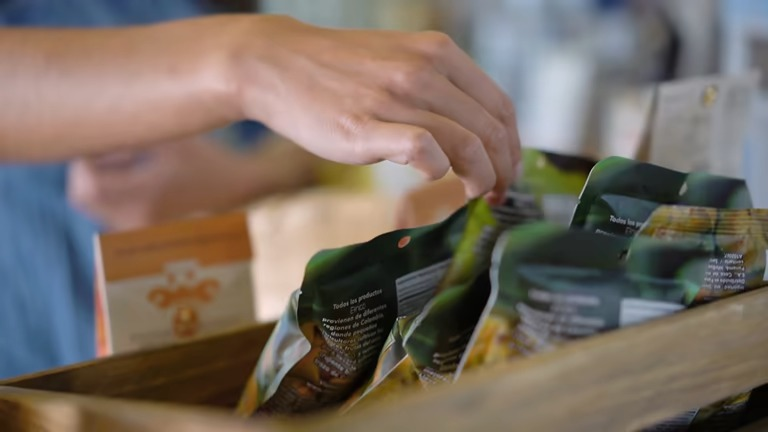
Time is one of the most overlooked costs in livestock feeding decisions. Buying commercial feed saves significant time and requires very little equipment beyond proper storage. For busy farmers, this convenience can be the deciding factor.
Making your own feed, however, demands a greater investment of labor and resources. You may need grinders, mixers, scales, storage bins, and a clean, dry space to store ingredients safely. Feed must be mixed consistently and monitored to ensure animals receive the same nutrition every day.
For farmers with limited time or physical help, DIY feed can quickly become overwhelming. Missed mixing days, inconsistent rations, or poor storage can lead to feed spoilage and animal health issues. In these cases, commercial feed often provides reliability and peace of mind that outweighs potential savings.
Balancing Rations. How To Avoid Nutritional Deficiencies
One of the biggest challenges in making your own feed is ensuring proper balance. Animals require precise levels of protein, energy, fiber, vitamins, and minerals to maintain good health and productivity. Poor feed formulation for animals can cause problems that develop slowly and are easy to miss.
Nutritional imbalances often show up as dull coats, weight loss, low fertility, weak immune systems, or reduced milk production. These issues may not seem severe at first, but they can significantly impact long-term herd performance and profitability.
To avoid deficiencies, farmers mixing their own feed should use reliable nutrition guides, work with livestock extension services, or consult an animal nutritionist when possible. Even small herds benefit from properly balanced rations. Whether feed is homemade or commercial, balanced animal nutrition is essential and non-negotiable for long-term herd health.
Common Mistakes Farmers Make When Mixing Their Own Feed
When making your own feed, even experienced farmers can slip up. The most frequent mistakes include:
Guessing ingredient amounts - Estimating rather than measuring can lead to imbalanced rations.
Skipping essential mineral supplementation - Missing vitamins or minerals like calcium, selenium, or copper can cause deficiencies.
Failing to adjust rations for age or production stage - Kids, lactating does, and finishing animals all have different nutritional needs.
Inconsistent mixing - Unevenly mixed feed results in some animals getting too much of certain nutrients while others get too little.
Ignoring feed safety and storage - Poor storage can lead to mold, spoilage, or contamination, which poses serious health risks.
Not monitoring animal performance - Failing to track growth, weight, or milk production can let small nutritional issues go unnoticed.
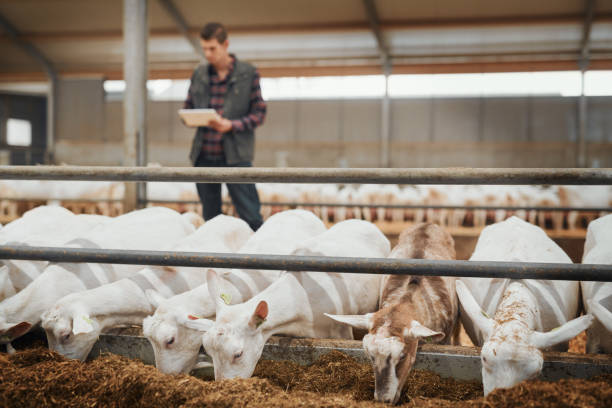
Tip - Avoid these mistakes by carefully measuring ingredients, following reliable ration guides, storing feed properly, and regularly observing your herd’s health and performance.
To Conclude
The choice between commercial and homemade feed isn’t about right or wrong, it’s about what fits your animals, schedule, and resources. Commercial feed offers reliability and convenience, while homemade feed offers flexibility and control when done responsibly.
The best feeding strategy supports animal health, reduces waste, and aligns with your farm’s long-term goals. Thoughtful feed decisions help your animals thrive, and your operation succeed, just as farms like Hickory Leaf Dairy Goats Farm demonstrate with consistent milk production and herd health.
By Esther Namawanda


Comments