
Common Disbudding Mistakes Farmers Make And How To Avoid Hurting Kids
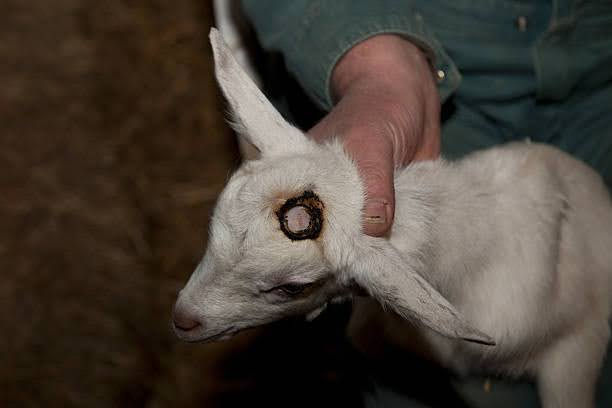
Disbudding is one of those tasks every goat farmer knows is important, but few truly feel confident doing. When done correctly, disbudding prevents dangerous horn growth and protects both goats and handlers. When done wrong, it can cause unnecessary pain, infection, scars, or long-term health issues for kids.
Many goat disbudding mistakes don’t come from carelessness. They come from bad timing, rushed technique, or outdated advice passed down without context. This guide breaks down the most common disbudding mistakes farmers make, explains why they cause problems, and shows you how to disbud goat kids safely without hurting them.
Whether you’re new to goats or refining your technique, understanding these errors can dramatically improve outcomes and animal welfare.
1. Disbudding at the Wrong Age
One of the most common and costly disbudding mistakes is poor timing. Horn buds develop quickly, and waiting too long allows them to attach to the skull. Disbudding too early, however, can be just as risky because the horn bud may not be clearly defined.
When kids are disbudded too late, farmers often need longer iron contact, increasing the risk of overheating, skull damage, or incomplete disbudding. Disbudding too early makes it easy to miss the bud entirely, leading to scurs later.
How to avoid hurting goat kids during disbudding
Watch for the horn bud to become clearly palpable but not yet attached. Proper timing reduces pain, shortens application time, and improves success rates.
2. Using the Wrong Disbudding Method for the Kid’s Age
Not all disbudding methods work equally well at every stage. One major goat disbudding safety issue happens when farmers use techniques meant for older kids on very young ones or vice versa.
Hot iron disbudding is effective for young kids but becomes riskier as the horn tissue hardens. Chemical pastes, when misused or applied too late, can spread and burn sensitive areas like the eyes or ears. Improper disbudding techniques often lead to scurs, burns, or stress-related complications.
Best practice
Match the method to the kid’s age, horn bud development, and your experience level. When in doubt, consult a veterinarian or experienced breeder.
3. Improper Iron Temperature or Application Time
Using a disbudding iron that’s too cool or too hot is a frequent error. A cool iron requires longer contact, increasing pain and tissue damage. An overheated iron can cause excessive burns or even skull injury.
Holding the iron on too long is another common mistake. Many farmers think “longer is better,” but this often leads to overheating during disbudding, which raises the risk of complications without improving results.
How to disbud goat kids safely
Use a properly heated iron and apply it for controlled, consistent intervals. The goal is to destroy the horn-producing tissue, not cook surrounding areas.
4. Failing to Locate the Horn Bud Correctly
Missing the horn bud is one of the leading causes of incomplete disbudding and scurs. Horn buds are not always where farmers expect them to be, especially in very young kids or certain breeds.
Disbudding around but not fully encircling the bud allows the horn tissue to survive and regrow. This leads to why disbudding fails in goats more often than people realize.
How to avoid this mistake
Take time to palpate the skull carefully. Identify the exact bud location before applying the iron, and ensure you fully destroy the horn ring.

5. Skipping Pain Management and Aftercare
A major misconception is that kids “get over it quickly.” Skipping pain management is not only an animal welfare issue, it also slows recovery and increases stress.
Goat kids experiencing unmanaged pain may stop nursing, become lethargic, or develop secondary issues. Post-disbudding care is just as important as the procedure itself.
Humane disbudding methods include minimizing stress, providing a calm environment, and monitoring kids closely afterward to ensure they return to normal behavior.
6. Poor Sanitation and Hygiene During Disbudding
Dirty equipment and unsanitary conditions invite infection. Burns from disbudding are open wounds, and bacteria can easily enter if tools, hands, or surroundings aren’t clean.
Infections at disbudding sites often look like delayed healing, swelling, or discharge and they’re completely preventable.
Goat kid disbudding safety tip
Clean and disinfect tools before each kid, keep the area dry, and avoid muddy or dusty environments during recovery.
7. Not Monitoring Kids After Disbudding
Many farmers assume the job is done once the iron is put away. In reality, the hours and days after disbudding matter just as much. Kids should be monitored for signs of infection, poor appetite, abnormal behaviour, or discomfort. Failure to observe these signs early can turn minor issues into major health problems. Signs of improper disbudding in goats often show up days later, not immediately.

How To Tell If Disbudding Was Successful (Signs Of Proper Healing vs. Scurs)
Knowing whether disbudding worked helps you avoid future problems. Properly disbudded kids develop a clean, dry scab that heals without swelling or horn regrowth.
Signs of successful disbudding
Smooth, dry healing area
No horn growth after several weeks
Kid resumes normal nursing and activity
Signs of scurs or failure
Hard bumps forming under the skin
Partial horn regrowth
Misshapen or sharp horn remnants
Understanding how to tell if disbudding was successful allows farmers to act early and prevent long-term issues.

Final Thoughts
Disbudding doesn’t have to be traumatic or risky. Most problems stem from avoidable errors, poor timing, rushed technique, or lack of follow-up. By learning to recognise and prevent these common disbudding mistakes, farmers, such as those at Hickory Leaf Dairy Goats Farm, can protect their kids, reduce stress, and improve long-term herd safety.
Done right, disbudding is quick, humane, and effective. Done wrong, it creates problems that last a lifetime. The difference lies in knowledge, preparation, and care. By implementing these principles, Hickory Leaf Dairy Goats Farm can ensure the health and well-being of its herd for years to come.
By Esther Namawanda


Comments