
Essential Tips For Raising Healthy Nigerian Dwarf Goats
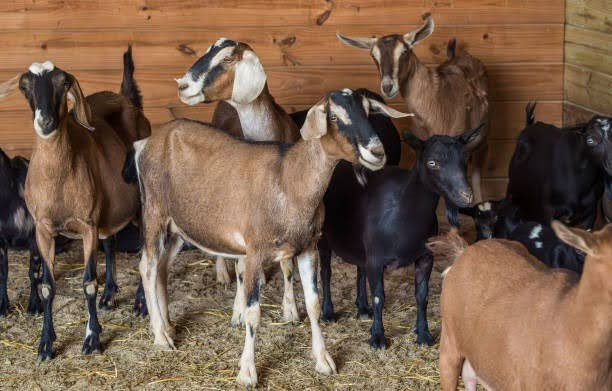
Raising goats isn’t just about adding livestock to your homestead, it’s about creating a rewarding lifestyle filled with fresh milk, playful personalities, and the joy of self-sufficiency. Among all the goat breeds, Nigerian Dwarf goats stand out as the perfect choice for beginners and seasoned farmers alike.
They may be small in size, but they pack a big punch when it comes to charm, adaptability, high butterfat and tasty milk production. However, these little goats do have unique needs that set them apart from other breeds.
To help you succeed, this guide will walk you through the essential tips for keeping Nigerian Dwarf goats healthy, happy, and thriving for years to come.
Introduction to Nigerian Dwarf Goats
Nigerian Dwarf goats are a charming and highly adaptable miniature dairy breed that has grown increasingly popular among homesteaders, hobby farmers, and small-scale dairy enthusiasts. Originally from West Africa, these goats were selectively bred in the United States to enhance their dairy qualities while maintaining their small, manageable size.
Nigerian Does typically stand between 17 and 22.5 inches tall, while Nigerian Bucks reach 20 to 23.5 inches, making them much easier to handle than standard goat breeds. Despite their compact size, Nigerian Dwarf goats are incredibly productive. They can live well over 14 years and consistently produce rich, high-protein, and high-butterfat milk.
Their smaller size also means they consume less feed, require less space, and are easier to manage, which makes them ideal for backyard homesteads, small farms, and even hobby farming setups. Beyond their productivity, Nigerian Dwarf goats are known for their friendly, playful personalities and sociable nature.
Goats are also very popular in sanctioned goat shows, where they can earn awards and notoriety, which can add value to your herd for future sales. They bond well with humans and other animals, making them not only a practical choice for dairy production but also companionship.

Why Choose Nigerian Dwarf Goats
Choosing Nigerian Dwarf goats comes down to their versatility and ease of care. They are ideal for families, beginners, or anyone wanting a manageable herd. These goats are known for their gentle, friendly temperament and adaptability to different climates and housing setups.
Additionally, they are excellent for small-space farming, producing more milk and higher butterfat per pound of body weight than many larger breeds, making them both productive and efficient.
Benefits of Raising Nigerian Dwarf Goats
There are many reasons why Nigerian Dwarf goats have become a favorite among homesteaders, small-scale farmers, and even families who simply want a few friendly animals around. Their unique combination of productivity, gentle nature, and adaptability makes them one of the most rewarding goat breeds to raise.
High-Quality Milk Production
One of the biggest benefits of raising Nigerian Dwarf goats is the rich, creamy milk they produce. Despite their small size, they yield milk with a higher butterfat content compared to many larger dairy breeds. This makes their milk excellent for making cheese, yogurt, ice cream, and even natural skincare products.
Goat milk can also replace store bought milk for baking and cooking for families looking to be more self-sufficient. This means nutritious, versatile milk right from your backyard.
Ease of Care and Management
Because of their smaller stature, Nigerian Dwarf goats require less space, consume less feed, and are easier to handle than full-size goats. This makes Nigerian Dwarf goat care more manageable for beginners, children, or those with limited land. Their calm temperament also means they adapt well to small homesteads and family farms.
Longevity and Productivity
Nigerian Dwarf goats typically live 12 to 14 years, often longer with proper care. This means you can enjoy years of steady milk production, lots of fun with babies, as well as companionship. Their long lifespan makes them a worthwhile investment for anyone planning to raise goats long term.
Family-Friendly Temperament
These goats are known for their gentle, curious, and playful personalities. They are great around children and can even be trained to walk on a leash or participate in 4-H programs, making them excellent educational animals. Their friendly nature makes them feel less like livestock and more like part of the family.
Many families enjoy taking their goats to sanctioned shows where their goats can earn awards and herd notoriety. Once you are seen as creditable and caring breeders, buyers will be encouraged to purchase your goats and spread your good name.
However, there are precautions to think of when participating in these shows. These shows don't require health tests, and if not careful, you can possibly introduce disease or illness into your own herd. Be cautious. Try not to let others handle your goats, and don't place your goats close to other goats.

When you combine their productivity, ease of care, and endearing personalities, it’s easy to see why raising Nigerian Dwarf goats is a rewarding choice for both new and experienced goat owners.
Unique Care Requirements of Nigerian Dwarf Goats
Raising Nigerian Dwarf goats successfully means understanding their unique care needs beyond just food and shelter. From proper housing and a balanced diet to meeting their social needs, each element plays a vital role in keeping your herd healthy and happy.
Housing - Nigerian Dwarf goats need secure, well-ventilated shelters. Protect them from predators, provide dry bedding, and ensure adequate space to avoid stress-related behaviors.
Diet and Nutrition - A balanced diet is crucial for Nigerian Dwarf goat care. Provide a mix of hay, pasture, and grains, along with mineral supplements. Pay special attention to calcium and protein for lactating (milking) does to support milk production. Always provide clean, fresh water. Avoid toxic plants or foods that could harm your goats.
Social Needs - These goats are social animals. Maintain herd dynamics by keeping them in groups and offering enrichment such as climbing structures or toys to prevent boredom. The internet is full of DIY toys that are inexpensive and easy to make.
Common Health Issues in Nigerian Dwarf Goats and How to Prevent Them
Even with excellent Nigerian Dwarf goat care, these goats can face certain health challenges that every owner should be prepared for. Knowing what to look out for and taking preventive steps will go a long way in keeping your herd healthy and productive.
Parasites and Worms
Internal parasites are one of the most common issues in all goats. Left unchecked, worms can cause weight loss, anemia, poor milk production, and even death. To prevent infestations, follow a regular schedule of fecal samples and FAMACHA checks. Following a blanket schedule for everyone causes the dewormer to become ineffective, and since there are few wormers for goats, it is better to know what you are treating for. Many times, only a few goats will need wormings. Worming only those goats needing it and knowing what parasite you are working with will help the wormer not to be overused.
Try using other methods to break up parasite cycles, like rotating pastures to break parasite cycles, making sure feed is off the ground, and monitoring goats closely for signs of weakness, scruffy coats, or pale eyelids. Become familiar with the Famancha test and how to perform it properly. It is very cost effective to do this yourself rather than to have a vet perform the test. Performing your own fecal tests will help you know what parasite you are dealing with. These tests are inexpensive and easy to do. Providing clean water and avoiding overcrowded conditions also helps reduce exposure.
Hoof Problems
Goats’ hooves grow continuously and, without proper care, can become overgrown, leading to discomfort, infections, or lameness. Pebbles or small rocks getting caught in untrimmed hooves can cause stone bruises. Snow and ice can also get caught, causing illness and pain. Trimming hooves every 4–6 weeks is essential for maintaining mobility, as well as straightness and strength of legs and overall health. Regular trimming also allows you to spot early signs of hoof rot or injury, making prevention easier than treatment.
Mastitis
Dairy goats are especially prone to mastitis, an infection of the udder. This condition is an infection that can reduce milk quality and quantity, making it unsafe for human consumption, as well as causing discomfort and illness to the doe. Prevent mastitis by practicing good milking hygiene, using sanitized equipment, and a sanitized product to wipe the udder after milking, and keeping milking areas and loafing areas clean. Watch for signs such as swelling, heat in the udder, or changes in milk appearance, clumps, and blood, to name a few. If the infection seems serious, seek veterinary help. If not, you can check the milk with the California Mastitis Test, and if needed, use a teat infusion. Keep milking, however, do not use the milk for drinking. If the infection won't clear up, promptly seek veterinary treatment.
Respiratory Issues
Goats are sensitive to weather changes and damp, drafty, or poorly ventilated environments. Respiratory infections can spread quickly and become life-threatening if not addressed early. To prevent this, make sure goat housing is dry, well-ventilated, and not overcrowded. Avoid sudden exposure to cold or wet weather, and keep bedding clean and dry to minimize respiratory risks.

By focusing on prevention and maintaining proper hygiene, you can reduce the likelihood of these health problems in your herd. If a problem persists or you are not sure how to resolve it, be sure to reach out to your goat’s vet.
Healthy goats are not only more productive but also live longer, more comfortable lives, making your efforts in Nigerian Dwarf goat health care well worth it.
How to Maximize Milk Production From Nigerian Dwarf Goats
To get the most out of your dairy goats:
Nutrition - Feed high-quality hay and grains rich in protein and minerals. Here at Hickory Leaf Dairy Goats, we make our own feed. We wanted our feed to consist of certain Non-GMO supplements and Organic grains. We wanted the best feed with the best grains possible for our needs. Please Note, there are many great goat feeds out there. It is our personal choice to make our own feed. We make our own feed to provide our goats with what we feel works best for their health and production. We want to offer the best Organic and Non-Gmo milk we can to our customers.
We participate in the DHIA programs available from the ADGA and AGS registries. These tests record the health and performance of the individual dairy goat as well as the quantity and quality of the milk. These tests tell us which goats are performing the best, which is essential to our future breedings. When we check the genetics of that doe's parents, we are able to see if that buck and doe genetically worked well together or if we need to try a different genetics the next time we breed.
Consistent Milking Routine - If possible, it is better to milk ilk at the same time twice daily to reduce stress and boost yield.
Healthy Herd - Keep does in optimal health through regular hands on care and parasite management.
Comfortable Housing - Stress-free environments enhance milk production.
With proper care, Nigerian Dwarf goats can provide a consistent supply of rich, delicious milk suitable for consumption or artisanal products.
Nigerian Dwarf Goat Health Tips
These small dairy goats may be hardy, but they still need consistent attention to their diet, environment, and overall well-being. Here are some practical health tips every owner should follow;
Monitor Body Condition
Regularly check your goats’ weight and body condition to ensure they are neither underfed nor overweight. Adjust their diet based on age, activity level, and whether they are producing milk. Balanced nutrition helps prevent issues such as bloat, weak immunity, or poor milk yield.
Provide Clean Water and Proper Shelter
Fresh, clean water should always be available, as dehydration can quickly lead to serious health problems. If you have bucks or castrated bucklings, add a teaspoon of apple cider vinegar per gallon of drinking water to reduce the risk of calculi (kidney stones). Equally important is proper housing. Shelters should be dry, well-ventilated, and protected from drafts. A clean, safe environment reduces the risk of illness, injury and keeps goats comfortable year-round.
Observe Behavior Closely
Pay attention to how your goats act each day. Early signs of stress or illness may include changes in appetite, unusual posture, coughing, or lethargy. Spotting these symptoms quickly allows for prompt treatment and prevents minor issues from becoming major health concerns.
Establish a good Bio-Security program on your farm.
If you want to let others breed to your bucks, make sure the doe has been tested for goat diseases and is healthy. You don’t want your expensive buck breeding a diseased or sick doe and possibly exposing those illnesses into your own goat herd, possibly causing you expensive losses
Have your goats tested yearly, if possible, to make sure they don't have any goat diseases. If they do, separate them from the herd and discuss with your vet on how to proceed. Be careful letting other people in your pens. It can make goats very stressed and uncomfortable, and possibly spread disease. This is probably one of the hardest things to do and for others to understand, but your goats can be very expensive, and you don't want others to bring something into your area that could cause disease or illness to your herd. If you want to sell milk, your goats need to be healthy. If you want to sell goats, people want to buy from a clean herd. You don't own junk goats, and you have a lot of money, time, and love put into them. Don't ruin what you have tried so hard to build.

By combining these Nigerian Dwarf goat health tips with consistent care and regular hands on checks, you’ll ensure your goats stay active, productive, and happy for years to come.
NB: In order to avoid damaging muscles and ligaments on your goat, all vaccines or shots should be given sub-Q (under the skin) and not in the muscle, unless performed by a vet.
All in all
Raising Nigerian Dwarf goats can be an incredibly rewarding experience, offering both delicious dairy and joyful companionship as well as the funniest entertainment on your homestead. By following proper care, nutrition, and preventive health practices, you can ensure your goats stay healthy, happy, and productive for years to come.
Ready to see examples of thriving Nigerian Dwarf goats and get expert guidance for your own herd? Visit Hickory Leaf Dairy Goats Farm and start your journey toward a healthy, thriving goat herd today.
By Esther Namawanda


Comments