
Which Goat Minerals Should I Use
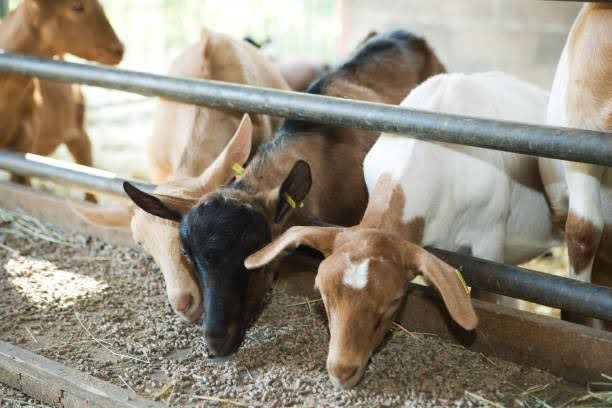
Have you ever wondered why some goats thrive with shiny coats, strong hooves, and vibrant energy, while others seem dull, sluggish, or prone to health issues, despite getting the same feed? The secret often lies in one crucial but sometimes overlooked element: minerals.
Choosing the right minerals for your herd isn’t just a matter of tossing any supplement into the feeder. It’s about understanding your goats’ unique nutritional needs, your land’s deficiencies, and the best way to deliver these essential nutrients.
In this guide, we’ll break down exactly which goat minerals you should use, how to spot deficiencies before they cause problems, and how to offer minerals the right way to keep your herd healthy and thriving.
Why Goat Mineral Supplements Matter
Goats require more than just forage to stay healthy, they need a well-balanced intake of essential minerals to thrive. Mineral supplements play a crucial role in supporting overall goat health, including growth, reproduction, immune function, milk production, parasites, and coat quality.
For homesteaders and dairy goat owners, minerals are especially important because they directly affect milk quality and butterfat content. Even if your goats have access to high-quality hay or pasture, local soil deficiencies can prevent them from getting enough trace minerals naturally.
Providing a carefully chosen goat mineral supplement ensures your herd stays strong, productive, and is less prone to illness.

Key Minerals Goats Need (and Their Benefits)
When it comes to goat mineral supplements, quality and formulation matter. Avoid using generic “sheep and goat” minerals, as these typically have low copper levels. While that’s safe for sheep, it’s not enough for goats and can lead to deficiencies. Here are the most important essential minerals for goats and why each one matters:
Copper (Cu) – This is absolutely critical for goat health. Goats need much more copper than sheep, and a lack of it can lead to poor coat condition, fertility issues, parasite problems, and lowered immunity. Choose a supplement with high copper levels to support enzyme function, immune health, and overall vitality.
Selenium (Se) & Vitamin E – These two nutrients work hand in hand to prevent White Muscle Disease, aid in placenta expulsion, and boost immune strength. Since many regions have selenium-deficient soil, this is a common area of deficiency that needs attention.
Zinc (Zn) – Zinc supports a healthy immune system, skin, and coat. Adequate zinc levels help prevent flaky skin, hair loss, and poor growth.
Calcium (Ca) & Phosphorus (P) – These are essential for bone development and milk production. Lactating does lose significant calcium through milk, so maintaining a 2:1 Ca:P ratio is crucial. For wethers, this balance also helps prevent urinary calculi.
Iodine (I) – Iodine supports thyroid hormone production, which regulates metabolism, growth, and reproductive performance.
Cobalt (Co) – Cobalt enables rumen microbes to synthesize Vitamin B12, improving appetite, digestion, and energy metabolism.
Each of these minerals plays a specific role in your goats’ overall health. A deficiency in any one of them can impact growth, parasites, fertility, and production, so a well-formulated supplement is non-negotiable.
Types Of Goat Mineral Supplements
Choosing the right form of minerals is key to ensuring proper intake.
Loose Minerals - Most effective for goats, allowing free-choice feeding and consistent nutrient consumption. Covered feeders keep them dry and palatable.
Mixed-in Feed Supplements - Useful for young kids or picky eaters, but harder to control individual intake compared to free-choice options. Premier 1 Supplies also provides a mini-alfalfa pellet, which also contains decoquinate, which keeps the kids free of worms like Cocci, and provides Probiotics to add nutrition beyond what Momma has.
Mineral Blocks - Convenient but less reliable, as goats may not lick enough to meet their needs. Best used alongside loose minerals. For example, Kalmbach Feeds Vitamin & Mineral Goat Supplement, 25-lb block. However, blocks aren't always the best. It is hard for the goats to get all the minerals they need, and sometimes it is at the risk of cracking or breaking the teeth.

General Tips For Choosing A Goat Mineral Supplement
With the wide variety of mineral supplements on the market, it can feel a little overwhelming to figure out which option is truly best for your herd. The right choice can make all the difference in your goats’ overall health, milk production, and even fertility.
Here are some essential tips to guide you when selecting the best goat mineral supplement for your farm:
Opt for Loose Minerals Over Blocks
Goats are naturally selective eaters, and they choose to bite the blocks, breaking teeth, or often won’t lick hard mineral blocks enough to meet their nutritional needs. Loose goat minerals allow them to consume exactly what their bodies require, leading to more consistent nutrient intake.
For example, many experienced goat owners place loose minerals in covered feeders, ensuring that each goat can freely eat as needed, something that’s nearly impossible with blocks.
Choose Goat-Specific Formulas
Not all mineral mixes are created equal. Always look for a product that is specifically formulated for goats, as their mineral requirements differ from other livestock. If you can’t find a goat-specific supplement in your area, a cattle or horse mineral with higher copper levels is usually a better alternative than a combined sheep/goat mix.
This is because sheep minerals often contain too little copper for goats, increasing the risk of deficiency. It’s wise to consult with a veterinarian or livestock nutritionist before making substitutions. Specialty complete minerals like Fertrell goat mineral can be found online at some of the higher end feed stores.
At present, there is a relatively new way of feeding minerals called the Mineral Buffet. This requires you to take each mineral separately and place it in its own bowl. The concept is that the goat will only eat the minerals it needs. However, it is very time-consuming to keep up with the demands of making sure each bowl is full and clean. Also, if a goat develops a taste for one particular mineral over another, the goat might not get all the minerals it needs.
Check Copper and Selenium Levels
Two of the most common deficiencies in goats are copper and selenium, both of which are critical for healthy growth, reproduction, and immune function. A high-quality goat mineral mix should contain adequate levels of both. For example, regions with selenium-deficient soils often require a supplement with added selenium to prevent problems like white muscle disease in kids. Be sure to find out what other minerals are missing in your area by calling the county Extension Agency.
Prioritize Palatability
Even the most nutrient-rich supplement won’t be effective if your goats refuse to eat it. Look for minerals that are highly palatable, meaning your herd will actually enjoy consuming them. Some mineral mixes include small amounts of molasses or natural flavors to encourage intake, an especially useful feature if your goats are picky.
By following these practical guidelines, you’ll set your herd up for better health, stronger immunity, and more productive milk yields. Choosing the right mineral supplement is a simple but powerful step in supporting the long-term well-being of your goats.
How To Identify Mineral Deficiencies In Goats
Recognizing mineral deficiencies early is essential for maintaining a healthy, productive herd. Goats often display physical and behavioral signs when their mineral intake is inadequate. One of the most noticeable indicators is a dull, rough, or faded coat, which often points to copper deficiency in goats. Some goats may also develop “fish tails,” where the hair at the tip of the tail splits, another classic sign of low copper levels.
Selenium deficiency in goats can lead to weak kids at birth, poor fertility, and a condition called White Muscle Disease, which affects muscles and mobility. Zinc deficiency may cause flaky skin, hair loss, or skin irritation around the face and legs, while a lack of iodine can result in goiter or swelling around the throat area.
Aside from physical symptoms, behavioral cues can also provide early warnings. Goats that lick soil, wood, or non-food objects may be instinctively trying to supplement missing minerals. Regular observation, combined with periodic herd health checks or mineral testing, can help pinpoint deficiencies before they become serious problems. It is also easy to call your county extension agency and find out what minerals are missing or inadequate in your area.
Monitoring these goat mineral deficiency signs ensures timely intervention and supports overall herd health.
How To Properly Offer Minerals To Your Goats
Providing minerals the right way is just as important as choosing the right supplement. Goats should have consistent access to minerals, and the method of offering can significantly affect their intake.
Many experienced goat owners prefer the free-choice method, where loose minerals are placed in a dedicated feeder, allowing goats to consume what they need naturally. This approach is often more effective than mixing minerals into feed, as it respects their selective eating habits.
Mineral feeders should be elevated and placed in dry, shaded areas to prevent clumping, contamination, or loss due to weather. Investing in weather-proof mineral feeders helps keep the supplements clean and fresh, ensuring they remain palatable.
Regularly check and refill the mineral supply to make sure it’s always available, and monitor how much the herd is consuming.
Proper placement and maintenance of mineral stations encourage steady intake, which helps prevent deficiencies and supports long-term health. By setting up an effective goat mineral feeder system, you’re ensuring your herd receives the essential nutrients they need every day.

Final Thoughts
Choosing the right goat mineral supplement is one of the most effective ways to support your herd’s health, reproduction, and milk production. By understanding the essential minerals, selecting a high-quality loose mineral mix, and pairing it with smart feeding strategies, you can help your goats thrive and enjoy richer, more nutritious milk in the process. Be careful not to buy a feed that is loaded with the same minerals you are already providing them.
Carefully read the contents of your minerals. Some mineral mixtures, like (Fertrell Nutri-Balancer for Goats), contain no salt, which is an essential mineral, and it will need to be provided separately. At Hickory Leaf, we use a salt rock by Redman. Our goats love the taste and will eagerly lick it when they need their salt.
By Esther Namawanda


Comments