
How To Build A Strong Immune System In Goats: A Farmer’s Year-Round Guide

If you’ve raised goats for any length of time, you know they can go from perfectly fine to dangerously sick in what feels like the blink of an eye. The truth is, goats have sensitive immune systems, and without strong immunity, even minor issues like parasites, poor diet, or sudden weather changes can quickly turn into major setbacks. This is why smart farmers don’t wait for problems to show up. Instead, they build healthy, disease-resistant goats from the inside out.
In this guide, we’ll break down practical, proven ways to boost goat immunity year-round so you can raise healthier, stronger, and more productive animals.
Why A Strong Immune System Matters In Goats
A strong immune system is the foundation of long-term goat health and productivity. When a goat has a well-developed immune system, it can fight off common diseases more effectively, recover faster from illness, and handle everyday farm stress without getting sick. Healthy immunity also reduces the impact of parasites, which are one of the biggest threats to goat health and performance.
Goats with strong immunity experience better growth, maintain good body condition, and produce higher-quality milk. They are also more fertile and have fewer pregnancy complications. On the other hand, goats with weak immunity are more prone to infections, poor weight gain, respiratory problems, and frequent parasite issues, leading to repeated treatments and higher veterinary costs.
Building a strong goat immune system isn’t just about preventing sickness, it’s a smart investment in your entire herd’s future. Healthy goats live longer, perform better, and save farmers time, money, and stress.
Essential Nutrition For Immunity: Minerals, Vitamins & Quality Forage
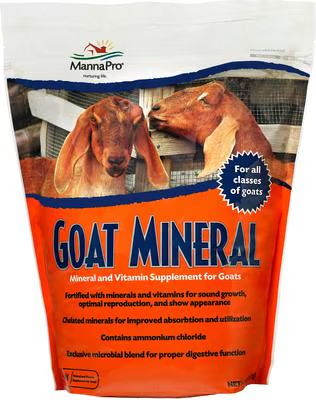
Good nutrition is the foundation of a strong immune system in goats. Even if a goat is eating plenty of feed, it can still have a weak immune response if key minerals and vitamins are missing. Minerals like copper, selenium, and zinc play a major role in building immunity, supporting metabolism, and helping the body fight infections. When goats are deficient, you may notice signs such as a rough coat, slow growth, poor fertility, or frequent illnesses. These issues often appear long before a full deficiency is diagnosed.
Quality forage is equally important. Healthy rumen function depends on high-quality hay and pasture, and a healthy rumen is directly tied to good immunity. Vitamins A, D, and E help strengthen tissues, improve disease resistance, support reproduction, and keep the body functioning at its best. To support goat immune health, always provide loose minerals, fresh water, protein-rich feeds, and clean, high-quality forage every day. A well-balanced diet does more than keep goats full, it strengthens their overall immunity from the inside out.
Proper Vaccination Schedule For Healthy Goats
A consistent vaccination routine is essential for maintaining strong immunity and preventing disease outbreaks in your herd. Vaccines prepare the immune system to fight off bacteria and toxins before they become life-threatening. The most widely recommended vaccine for goats is CDT, which protects against Clostridium perfringens types C and D (overeating disease) and tetanus. These diseases can cause sudden death, so prevention is far more effective than treatment.
Kids should receive their first CDT vaccine at 6 to 8 weeks of age, followed by a booster 3 to 4 weeks later. Pregnant does benefit from a booster about 4 weeks before kidding, which helps transfer maternal immunity to newborn kids through colostrum. Maintaining an annual vaccination schedule for adult goats reduces health risks, minimizes vet costs, and helps you maintain a healthy, resilient herd with strong immunity all year long.
Parasite Control: How To Reduce Immune Stress from Worms
Internal parasites, especially stomach worms, are one of the biggest threats to goat health and immunity. A heavy worm load drains essential nutrients, weakens the body, and forces the immune system into constant stress. Goats struggling with parasites often show signs like weight loss, pale eyelids (anemia), diarrhea, rough hair coats, or decreased milk production. Over time, their weakened immunity makes them more vulnerable to other diseases as well.
A strong parasite control program helps reduce this immune stress. Using tools like FAMACHA scoring, scheduled fecal tests, and pasture rotation prevents worms from building up in the environment. Targeted deworming, treating only the goats that truly need it, helps slow drug resistance while protecting herd health. Clean bedding, dry ground, and low stocking density also reduce parasite exposure. When parasites are well-managed, goats can use their energy to build immunity, grow, reproduce, and stay healthy, rather than fighting off constant worm pressure.
Stress Management And Comfort: How Environment Affects Immunity
Stress can weaken a goat’s immune system faster than almost anything else. Goats are naturally alert, sensitive animals, so even small changes in their surroundings can affect their overall health. Common stress triggers include overcrowded housing, extreme weather, constant noise, poor herd dynamics (like bullying), rough handling, or sudden shifts in routine.
When stress levels rise, the body releases hormones that suppress the immune system, making goats more vulnerable to infections, parasites, and digestive problems.
Creating a low-stress environment is one of the most effective ways to support a strong goat's immune system. Provide clean, well-ventilated shelter, enough space for every goat, and dry, comfortable bedding. Make sure each goat can access feed and water without competition. Simple adjustments such as reducing unnecessary handling, keeping noise levels low, offering shade in summer, or separating aggressive goats can dramatically improve herd comfort. The calmer your goats feel, the stronger their immunity and overall health will be.

Cleanliness And Hygiene: Preventing Disease Before It Starts
Cleanliness plays a major role in goat health and disease prevention. A dirty shelter with wet bedding, manure buildup, or contaminated feeders creates the perfect environment for harmful bacteria, parasites, and respiratory issues. Poor hygiene exposes goats to constant health threats, weakening their immune system over time.
Maintaining good cleanliness and hygiene is one of the simplest and most effective ways to support immunity in goats. Regularly remove manure, refresh bedding, sanitize water buckets, and ensure feeding areas stay dry and clean. Ventilation is also essential, fresh air helps reduce moisture and pathogen buildup inside shelters.
By keeping the environment clean, farmers drastically reduce disease pressure before it even has a chance to affect the herd. This proactive approach helps goats stay healthier, reduces vet costs, and strengthens their immune defenses naturally.
Supporting Kids, Pregnant Does & Seniors (Special Immune Needs)
Some goats need extra immune support at certain stages of life. Newborn kids are especially vulnerable because their immune system is not fully developed. They rely heavily on high-quality colostrum within the first few hours of life. Warmth, clean bedding, and hygiene are non-negotiable at this stage, as kids are highly susceptible to infections.
Pregnant does also experience immune challenges. Their bodies work harder to support growing kids, and hormonal changes can temporarily lower immunity. Providing nutrient-dense feed, mineral supplements, clean water, and a calm environment is essential to keep both the mothers and the unborn kids healthy.
Senior goats naturally experience a slowing immune system as they age. They may require softer feed, joint support, routine health checks, and protection from extreme weather.
By understanding and meeting the unique needs of kids, pregnant does, and older goats, farmers can support stronger immunity across the entire herd. This results in healthier pregnancies, higher kid survival rates, and improved longevity for senior goats.
The Role Of Probiotics And Gut Health In Immune Strength
A goat’s gut health is directly linked to its immune health. When the rumen is healthy, goats digest food efficiently, absorb more nutrients, and maintain stronger immunity. Probiotics and gut-friendly feeds help balance the rumen environment, prevent digestive upsets, and strengthen overall immune function.
Offering probiotics after deworming, illness, or stressful events helps restore beneficial bacteria that support immunity. A healthy rumen leads to a healthy goat. It’s that simple.
Seasonal Care: How To Boost Immunity Year-Round
Different seasons come with different immune challenges. Summer brings parasites and heat stress. Winter introduces cold stress, respiratory risks, and feed changes. Spring and fall bring sudden weather shifts that can weaken immunity.
A good year-round plan includes:
minerals and vitamins are offered year-round.
parasite control during warm seasons.
warm bedding and shelter in winter.
gradual feed changes between seasons.
heat management and shade in summer.
Seasonal planning ensures your goats stay strong and healthy, no matter what the weather brings.

Conclusion
Building a strong immune system in goats takes time, consistency, and the right management practices, but the payoff is huge. Healthier goats grow better, milk better, survive kidding better, and cost far less to maintain. With the right combination of nutrition, hygiene, parasite control, stress reduction, and seasonal care, you can raise a herd that stays strong all year long.
By Esther Namawanda


Comments