
How To Increase Milk Production In Goats Naturally

If you’ve ever tasted fresh goat milk, you know just how creamy and nutritious it is, but maintaining a steady, high-quality milk supply doesn’t happen by chance. Whether you’re a small-scale homesteader or a dedicated dairy goat farmer, learning how to increase milk production in goats naturally can make a big difference in your herd’s performance and your overall yield.
The good news is that with the right nutrition, care, and management practices, you can boost your goats’ milk yield without relying on synthetic supplements or stressful interventions.
Let’s explore the most effective natural ways to increase goat milk production, from improving their diet to creating a calm and consistent environment for milking success.
1. Choose The Right Goat Breed For Milk Production
When it comes to milk production, not all goat breeds perform the same. Some breeds are naturally more productive and efficient in milk yield. If you’re focused on dairy production, selecting breeds like Saanen, Alpine, Toggenburg, or LaMancha goats can make a huge difference. These breeds are known for their consistent and high-quality milk output, with LaManchas, in particular, producing milk that has a rich flavor and excellent butterfat content ideal for cheese, yogurt, and soap making.
Mini breeds such as Mini LaManchas are also great choices for small farms or homesteads, as they are easy to handle yet still provide a good amount of milk with high nutritional value. The key is to start with a healthy doe from strong milk-producing lines, as genetics play an essential role in determining milk potential. Investing in the right breed lays the foundation for naturally increasing milk production in goats.
2. Provide A Balanced And Nutritious Diet
Proper nutrition is the most important factor in boosting milk production naturally. A balanced diet for dairy goats ensures they have the energy, protein, and minerals necessary to produce milk consistently. Goats rely heavily on quality roughage, so providing high-quality hay or fresh pasture from trusted suppliers, like Hickory Leaf Dairy Goats, should be the base of their diet. Adding grains and protein-rich feeds like soybean meal or sunflower seeds helps meet the energy demands of lactating does.
To increase milk yield naturally, feed legume hay such as alfalfa, which is rich in calcium and protein, essential nutrients for milk production. Controlled portions of grains like oats, barley, or corn can supply additional carbohydrates, while fresh greens and forages add vital vitamins and minerals that enhance milk quality.
Always ensure your goats have unlimited access to clean, fresh water, as dehydration can quickly lead to reduced milk output. Avoid making sudden changes to their diet, as this can cause digestive upsets and stress, both of which negatively affect milk flow. A well-balanced diet, tailored to the needs of lactating goats, is the most natural and reliable way to increase goat milk production.

3. Manage Stress For Better Milk Production
Stress is one of the most significant factors that can negatively impact milk production in goats. Loud noises, rough handling, overcrowded housing, or threats from predators can all cause anxiety in your herd, leading to a noticeable drop in milk yield. To optimize milk production naturally, it’s essential to provide a safe, quiet, and clean environment for your goats.
Ensure each goat has ample space to move freely, with comfortable bedding and proper ventilation in the shelter. Goats are social creatures, so companionship within the herd helps them feel secure and relaxed. Regular routines, gentle handling, and a calm atmosphere reduce stress and promote better oxytocin release, the hormone responsible for milk let-down. By minimizing stress, you directly support higher milk output and overall well-being in your dairy goats.
4. Keep A Consistent Milking Routine
Establishing a consistent milking routine is one of the most effective ways to naturally boost milk production in dairy goats. Goats are creatures of habit, and their bodies adapt to the rhythm of regular milking. Milking at the same time every day, usually twice every 12 hours, helps maintain a steady milk flow and signals the doe’s body to keep producing.
A calm, stress-free environment during milking is equally important. Stress or rough handling can disrupt oxytocin release, the hormone responsible for milk let-down, which can temporarily reduce milk output. Before each session, gently clean the udder with warm water, massage it for a few moments, and use smooth, consistent motions while milking. This not only keeps your goat comfortable but also promotes better milk yield and udder health.
Additionally, ensure that your goats have a quiet, clean, and safe place for milking, free from loud noises or other animals. Goats that feel secure and relaxed will produce more milk naturally, making routine and comfort key components of a successful dairy management plan.
5. Mineral Supplements For Goats
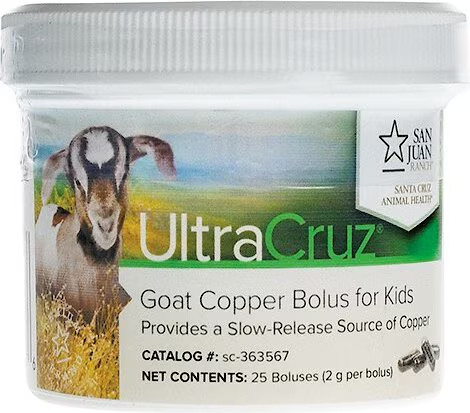
Even with a well-balanced diet, goats often need mineral supplements to support milk production, fertility, and general well-being. Essential minerals like calcium, phosphorus, selenium, zinc, and copper play a key role in the body’s functions, from bone strength and muscle development to hormone balance and immune health. When these nutrients are lacking, you may notice a drop in milk yield, poor coat condition, or even reproductive challenges.
To prevent this, offer free-choice mineral blocks or loose minerals formulated specifically for goats. Loose minerals are often preferred because goats can consume them more easily than solid blocks. Natural additives such as kelp meal, diatomaceous earth, or herbal mineral mixes can also provide trace elements that improve milk flavor, texture, and quantity.
For lactating goats, pay particular attention to calcium and phosphorus, as they are directly linked to strong milk flow and udder health. Providing high-quality mineral supplements is one of the simplest and most natural ways to increase milk production in goats while keeping your herd healthy and productive.
6. Hydration: The Overlooked Factor
Water is often underestimated, yet it’s one of the most critical elements for boosting milk yield naturally. Milk consists of approximately 85% water, so even mild dehydration can significantly reduce production. Every lactating doe should have unlimited access to fresh, clean water at all times to maintain optimal hydration.
During hot weather or when feeding dry hay, goats require even more water to sustain milk flow. Some goat keepers also add a small amount of apple cider vinegar to drinking water occasionally, which encourages hydration and supports healthy digestion and nutrient absorption. Prioritizing consistent hydration ensures that your goats remain healthy and can sustain maximum natural milk production.
7. Use Natural Herbal Supplements
Herbs can be a powerful, natural way to enhance milk production in goats. Certain herbs, including fenugreek, fennel, anise, alfalfa, and garlic, act as galactagogues, substances that stimulate and improve milk flow.
These herbs can be incorporated into feed, offered as dried supplements, or included in special herbal mixes. Beyond boosting milk yield, herbal supplements support overall health by strengthening the immune system, aiding digestion, and improving nutrient absorption.
Using natural herbs allows goat keepers to increase milk production safely while maintaining the herd’s long-term health and vitality.
8. Regular Health Checks And Parasite Control
Maintaining optimal health is one of the most critical factors for naturally increasing milk production in goats. Goats struggling with internal parasites, such as worms, or other health issues often produce significantly less milk. Regular deworming, vaccinations, and hoof care are essential to keep dairy goats healthy and productive.
Monitoring body condition frequently is key, if a doe is losing weight, appears lethargic, or shows other signs of illness, consulting a veterinarian promptly can prevent long-term setbacks. Incorporating natural parasite management techniques, such as rotational grazing, proper pasture management, and herbal dewormers, can effectively reduce chemical use while supporting overall goat health.
Healthy, parasite-free goats are better able to convert nutrients into energy, which directly supports consistent milk production.
9. Ensure Proper Breeding And Lactation Management
Milk production in goats is closely linked to their breeding and lactation cycles. Goats typically reach their peak milk yield around 4–6 weeks after kidding, making nutrition during pregnancy and early lactation crucial for maintaining consistent milk flow.
Overbreeding or short recovery periods between pregnancies can stress does, reduce milk output, and negatively affect their long-term health. Allowing sufficient rest between lactation cycles enables the goat’s body to recover, resulting in stronger, healthier milk production in the following cycle.
Careful attention to breeding schedules, along with proper nutrition and hydration, ensures that does remain productive, healthy, and capable of sustaining high-quality milk naturally.
Feeding Tips For Optimal Goat Health
To maximize milk production, focus on feeding strategies that promote both goat health and milk yield;
Adjust feed based on lactation stages. Early lactation requires more energy and protein
Provide free-choice roughage to aid digestion.
Introduce probiotics or natural yogurt occasionally to improve gut health.
Feed small, frequent meals instead of one large feeding.

By paying attention to what, how, and when you feed, you’ll help your goats perform at their best naturally.
Moving Forward
Boosting milk production in goats doesn’t require expensive supplements or complicated interventions. It’s all about good management, proper nutrition, and consistent care. By understanding what your goats need and creating a supportive environment, you can naturally increase milk yield while keeping your herd healthy and happy.
Whether you raise Saanen, LaMancha, or Alpine goats, applying these simple yet effective strategies will help you produce rich, creamy, and abundant goat milk and cheese the natural way.
By Esther Namawanda


Comments