
What Is The Best Goat For Butterfat

Forget the idea that milk is just milk. If your homestead goals involve crafting your own golden butter, aging rich, sharp cheddar, or simply enjoying a glass of milk that is pure velvet, then you need to stop focusing on gallons and start focusing on gold. The secret to superior dairy yield and flavor isn't the volume, it's the butterfat, the powerhouse ingredient that transforms thin milk into decadent cream.
We’re about to crack the code, pitting the top breeds against each other in the ultimate creamy showdown to reveal the true champion: What is the best goat for butterfat? Stick around, because the answer will fundamentally change how you select your next dairy star, guaranteeing a richer, more rewarding experience in your barn and your kitchen.
Understanding Butterfat In Goat Milk
Butterfat is the fat component found in milk, which directly affects its creaminess, taste, and dairy yield. Goat milk typically contains 3–6% butterfat, depending on the breed and individual animal. A higher goat milk butterfat percentage not only makes milk richer and more flavorful but also improves cheese-making and yogurt quality.
Essentially, butterfat is the difference between thinner milk that works best for drinking and richer milk that turns into thick, creamy dairy products.
Why Butterfat Content Matters For Homesteaders And Dairy Lovers
Butterfat is more than just a number on a milk chart, it directly affects the quality, taste, and usefulness of goat milk. For homesteaders and dairy lovers, a higher butterfat content can completely transform the way milk is used on the farm or in the kitchen.
Creamier, Richer Milk
Goat breeds with higher butterfat levels produce milk that is naturally thicker, creamier, and more flavorful. This makes it especially appealing for those who drink milk fresh, as the smooth texture and sweet taste are often preferred over lower-fat alternatives.
Better for Cheese and Butter Making
Butterfat plays a crucial role in producing dairy products like cheese, butter, and yogurt. Higher butterfat milk yields richer, denser cheese and churns into butter more efficiently. For homesteaders who rely on self-sufficiency, this means less milk is required to achieve the same results, saving both time and resources. However; remember, it takes a lot of goat milk to make butter,
Increased Nutritional Value
Butterfat is packed with essential fatty acids, fat-soluble vitamins (A, D, E, and K), and calories that provide lasting energy. For families looking to maximize nutrition from homegrown food sources, higher butterfat goat milk supports a wholesome and balanced diet.
Greater Market Value
For small-scale dairy sellers or hobby farmers, high-butterfat goat milk can be marketed as premium-quality milk. Some consumers often seek out creamier, richer milk for artisanal cheeses, specialty butters, and natural dairy products, making butterfat a selling point for profit and sustainability.
Essential for Self-Sufficiency
On a homestead, every gallon of milk counts. Goats that consistently produce high-butterfat milk allow families to stretch their resources further. This reliability ensures that dairy products like butter and cheese can be made year-round without relying on store-bought substitutes.

Top Goat Breeds Known For High Butterfat Milk
Some goat breeds stand out for their ability to produce milk rich in butterfat:
Nigerian Dwarf Goats – Often considered the best goat for butterfat, Nigerian Dwarfs produce milk with butterfat levels averaging 6–10%, sometimes even higher. Their milk is sweet, creamy, and ideal for cheese-making as well as for most other foods. However, because they are smaller, Nigerian Dwarfs produce a lesser volume of milk than the full size goats.
Nubian Goats – Known for both volume and richness, Nubians usually produce milk with 4–5% butterfat, making it one of the creamiest among full-size breeds.
Miniature and Heritage Breeds – Mini Nubians and Mini-LaManchas, as well as certain heritage breeds, also boast above-average butterfat, though they may not produce as much overall milk as commercial dairy goats.
Comparing Goat Breeds By Butterfat Percentage
When comparing breeds, it becomes clear that different goats serve different needs:
Nigerian Dwarf - 6–10% butterfat, low volume but extremely rich milk.
Nubian - 4–5% butterfat, moderate to high volume with creamy milk.
Alpine and Saanen - 2.5–3.5% butterfat, very high volume but lower cream content.
LaMancha - Around 3.5–4% butterfat, moderate to high volume, balanced for both use and taste.
Mini- LaMancha- Around 4%-6% butterfat, moderate to high volume with
rich and creamy milk.
This breakdown shows that the goat breed with the highest butterfat is clearly the Nigerian Dwarf, though Nubians, LaManchas, and Mini-LaManchas remain a strong choice for those who want both volume and richness.
Best Goat For Butterfat vs. Best Goat For Volume
This is the core decision for every aspiring dairy owner. You must decide whether you prioritize richness, quantity, or both.
Richness Priority - Choose the Nigerian Dwarf, the Mini-LaManch, the Nubian, then the La Mancha. Their high fat content minimizes waste and maximizes product yield. Your churn time is shorter, and your cheese wheel is bigger.
Volume Priority - Choose the Saanen, Alpine, or Toggenburg. If you plan to sell lots of fluid milk, bottle milk for a large family, or want a high-volume output of very low-fat products, these are excellent choices. However, because of the lower butterfat, you'll need more gallons of their milk to make the same pound of butter or cheese.

How Diet And Care Affect Butterfat Levels
While genetics set the foundation for a goat’s butterfat potential, diet and daily care play a significant role in how much of that potential is realized. Goats that are well-fed and properly managed consistently produce milk that is higher in quality, richer in flavor, and better suited for homestead needs like cheese and butter making.
Quality Forage and Balanced Nutrition
Providing goats with high-quality forage, such as fresh browse, nutrient-rich hay, alfalfa, or alfalfa/grass mix, and good quality grain, supports higher butterfat in goat milk. Balanced minerals and supplements ensure that the herd is not only producing well but also staying healthy, which directly impacts the consistency and quality of milk fat levels.
Reducing Stress and Maintaining Routine
Stress and parasites are two of the biggest hidden factors that can lower both milk yield and butterfat percentage. Overcrowding and sudden changes in routine, or inconsistent milking times, can affect production. Establishing a calm, clean, and predictable environment with regular milking schedules helps stabilize butterfat content.
Clean Water and Proper Shelter
Access to clean, fresh water at all times is critical for good milk flow and fat balance. Likewise, a proper shelter that protects goats from extreme weather conditions reduces stress and energy loss, allowing nutrients to be used more efficiently for milk production rather than survival needs.
Preventive Healthcare and Herd Management
Consistent healthcare practices, such as hands-on health inspections, regular checks for parasites, overcrowding, and hoof care, help goats maintain strong immune systems and overall well-being. Healthy goats put more energy into producing rich, nutrient-dense milk, which translates into higher butterfat levels.
Practical Uses Of High-Butterfat Goat Milk
High-butterfat milk is prized for making:
Cheese – Richer milk produces less whey, which gives you more curds and better texture in both soft and hard cheeses.
Butter and Cream – Higher butterfat makes separating cream more worthwhile.
Yogurt and Ice Cream – Creamier, thicker results without needing additives.
Whey- Great for protein drinks and soup stock.
Soap - Goat milk can make some of the most luxurious soap. Soap and milk baths have been known to soothe skin problems like Psoriasis and certain rashes. Milk baths are so wonderful, and if you have extra milk, why not?
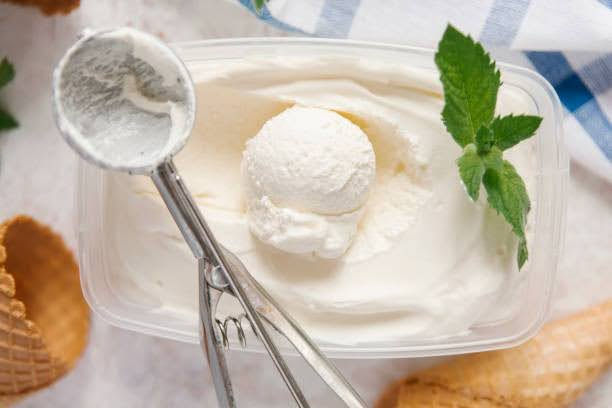
For homesteaders, this means you can create a wide range of value-added products from smaller quantities of milk. Don't forget about the luxurious soap you can make!
Conclusion
Choosing the goat breed with the highest butterfat isn't about guesswork, it's about strategy. The Nigerian Dwarf leads the pack for pure richness, while the Mini-LaMancha, Nubian, and LaMancha offer the best balance of creamy quality and respectable volume.
Your dairy destiny depends on matching the breed's strengths to your homestead goals. Ready to transform your dairy production from average to exceptional? Start by exploring the quality genetics and proven results that prioritize high butterfat production. You can also research a herd to see if it is being milk tested through a registry like American Dairy Goat Association or American Goat Society. Milk tests track the individual goat’s pedigree and information on protein, milk production, and butterfat.
Visit a reputable breeder, such as Hickory Leaf Dairy Goats Farm, to find the perfect high-butterfat foundation stock for your creamy dreams.
By Esther Namawanda


Comments